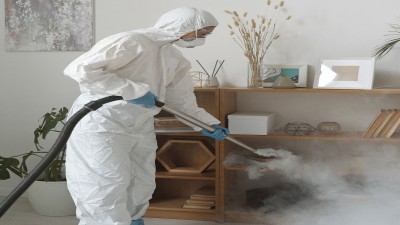
Family Day Care educators open their homes to children, balancing care, learning, and hygiene in a smaller, more personal environment than centres. With the release of the Biological Hazards Code of Practice in March 2026, childcare is formally recognised as a biohazard‑exposed workplace.
While much of the guidance is written with centres in mind, the Code applies equally to FDC. For educators, this doesn’t mean your daily routines suddenly change. You already follow Staying Healthy in Childcare, cleaning up accidents safely, using gloves, disinfecting surfaces, and maintaining hygienic play spaces. The Code simply requires that these practices are documented and supported by your coordination unit, so they can be verified as part of workplace safety compliance.
What the Code Means for FDC
The Code highlights predictable hazards in childcare: bodily fluids, vomit, faecal matter, respiratory droplets, and high‑touch contamination cycles. For FDC educators, this means:
- Continuing safe hygiene practices guided by Staying Healthy.
- Recording incidents and cleaning routines as part of compliance.
- Relying on your coordination unit to provide training, systems, and support.
Practical Examples in FDC Settings
- Blood spill: Use gloves, disinfect, and dispose safely. The Code adds the expectation that you log the incident and show infection‑control training.
- Vomiting incident: Clean the area safely, supervise children, and record the clean‑up. If multiple children vomit, escalate to your coordination unit.
- Toileting accident: Manage the child and clean the area. The Code requires you to log this as a biohazard task.
- High‑touch surfaces: Wipe toys, tables, and doorknobs regularly. The Code expects a structured cleaning schedule with daily tick‑off sheets.
Paperwork in FDC
While lighter than in centres, FDC educators will need to:
- Keep incident logs for bodily fluid clean‑ups.
- Use daily checklists for high‑touch surfaces.
- Record training evidence for infection‑control cleaning.
- Ensure policy updates in your service manual reflect the Code.
Staying Healthy in Childcare
You should continue to rely on Staying Healthy in Childcare for the how‑to of cleaning safely:
- Gloves and PPE for hygiene tasks.
- Safe disposal of contaminated materials.
- Routine sanitising of play and learning spaces.
Why This Matters for FDC
- You keep doing what you already do: safe hygiene guided by Staying Healthy.
- Your coordination unit ensures systems, training, and documentation are in place.
- The Code is designed to protect FDC educators, not overwhelm them.
FAQ Guide for FDC Educators
1. Does the Code apply to Family Day Care?
Yes. The Code applies to all workplaces in Australia, including FDC. While most examples focus on centres, FDC educators also manage predictable biological hazards in their home environments.
2. Do I need to hire a cleaner?
No. The Code does not require FDC educators to employ external cleaners. You continue to follow Staying Healthy in Childcare for safe hygiene practices. The difference is that your coordination unit must ensure these practices are documented and supported with training.
3. Can I still clean up vomit or toileting accidents?
Yes. Everyday hygiene tasks remain part of safe care. The Code does not prohibit this. It requires that providers (coordination units) have systems to support you, so you’re not left unsupported in high‑risk situations.
4. What paperwork applies to me?
FDC educators may need to:
- Keep incident logs for bodily fluid clean‑ups.
- Use daily checklists for high‑touch surfaces.
- Record training evidence for infection‑control cleaning.
- Ensure policy updates in your service manual reflect the Code.
5. How does this fit with Staying Healthy in Childcare?
You still follow Staying Healthy in Childcare for the how‑to of cleaning safely. The new Code adds a compliance layer: providers must prove those practices are happening consistently, with systems that can be audited.
6. What if multiple children vomit at once?
The Code expects escalation triggers. In FDC, this means notifying your coordination unit for support. The goal is to prevent educators from being overwhelmed while maintaining supervision.
7. Is this more work for me?
Not in practice. You keep doing what you already do. The extra responsibility lies with providers and coordination units to document, train, and verify compliance. The Code is designed to protect educators, not burden them.
Further Reading
Educator Explainer: The New Biological Hazards Code in Early Childhood Settings
Exclusion Periods For Infectious Diseases In Early Childhood Services
Staying Healthy: Preventing Infectious Diseases In ECE Services
Germs Posters
References:
Model Code of Practice: Managing the risks of biological hazards at work | Safe Work Australia
Work Health and Safety Hazards In The Early Childhood Education and Care Sector