
Creative alphabet photo ideas for childcare: fun sorting, tracing, and sensory activities to build literacy, phonics, and letter recognition.
Alphabet learning is a cornerstone of early literacy. Through playful, hands‑on activities, children explore letters, sounds, and associations. These photo ideas align with EYLF Outcome 5 (Children are effective communicators) and QA1 (Educational program and practice), encouraging recognition, phonics, and creative engagement.
Letter Sorting Tray
Children sort colourful letters and small objects into matching spaces.
Strategies for Educators:
- Encourage recognition of uppercase and lowercase.
- Extend into phonics by naming initial sounds.
- Link to numeracy by counting sorted letters.
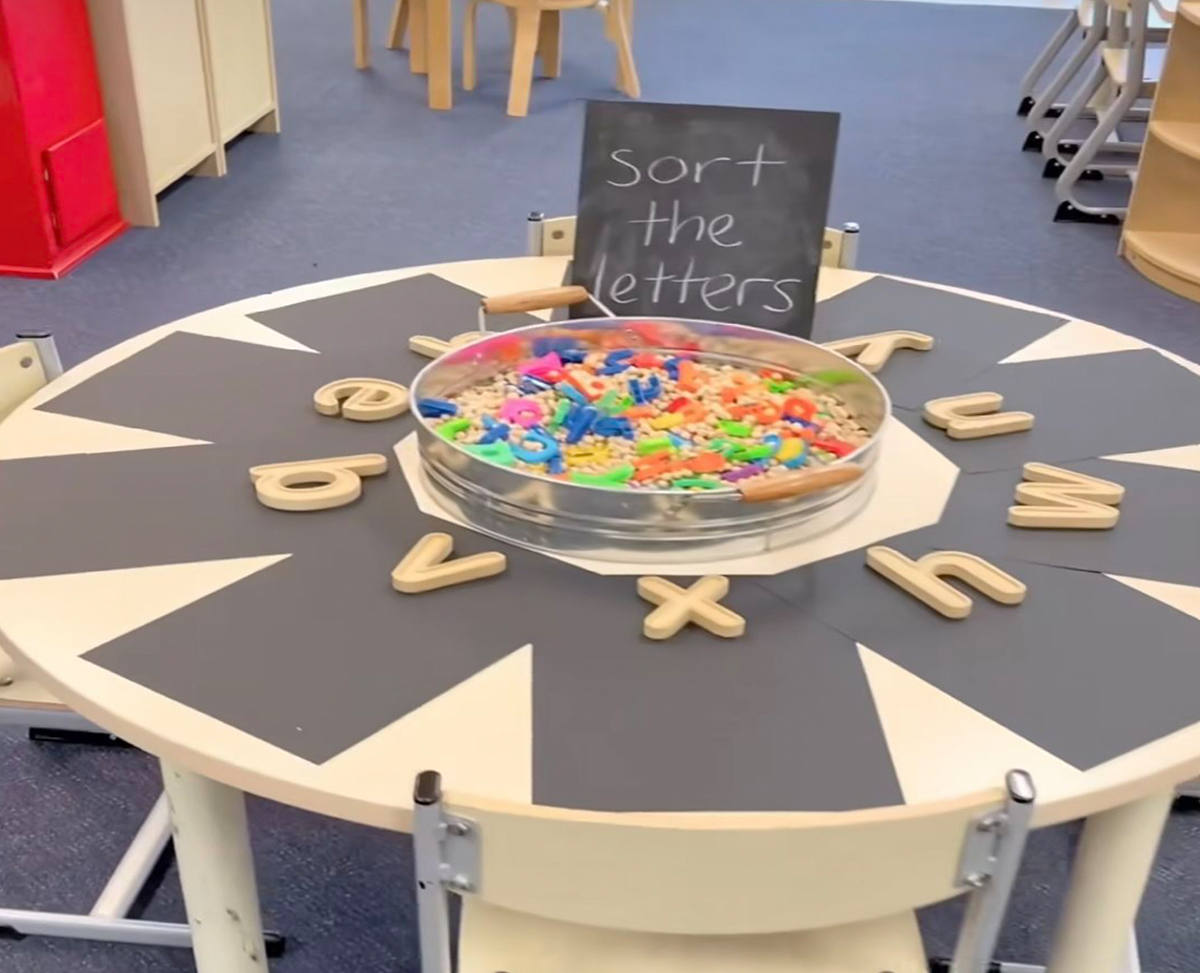
Image Reference: Rosangela Volpe, Pinterest
Craft Material Names
Children use beads, pom‑poms, and stones to create names or words.
Strategies for Educators:
- Encourage fine motor skills through threading and arranging.
- Extend into literacy by spelling children’s names.
- Link to identity by celebrating personal creations.
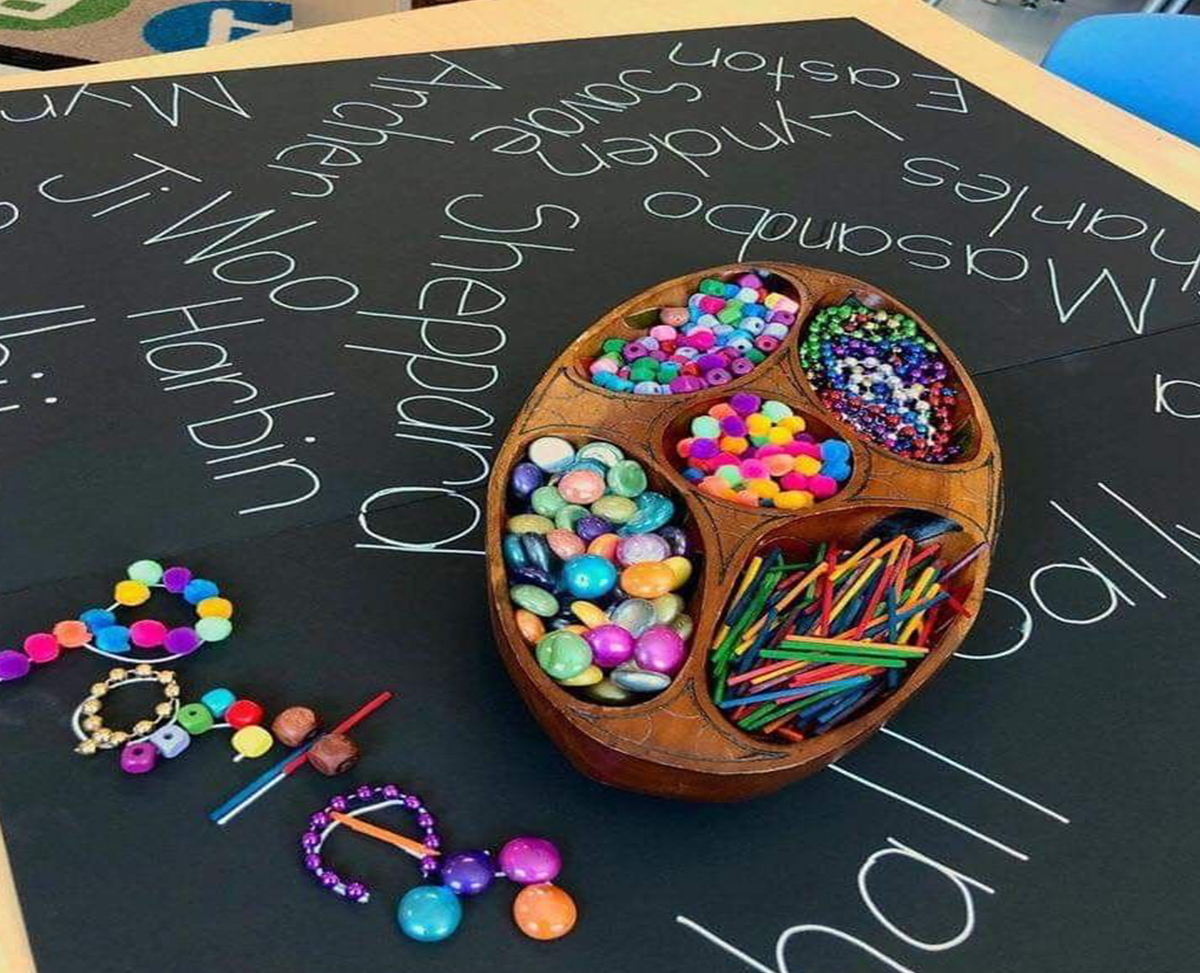
Image Reference: Rachael Clare Bowrey, Pinterest
Alphabet Object Boxes
Each letter is paired with objects that begin with that sound.
Strategies for Educators:
- Encourage sound‑letter association.
- Extend into vocabulary building with everyday items.
- Link to cultural diversity by including multilingual letters (e.g., Ñ).
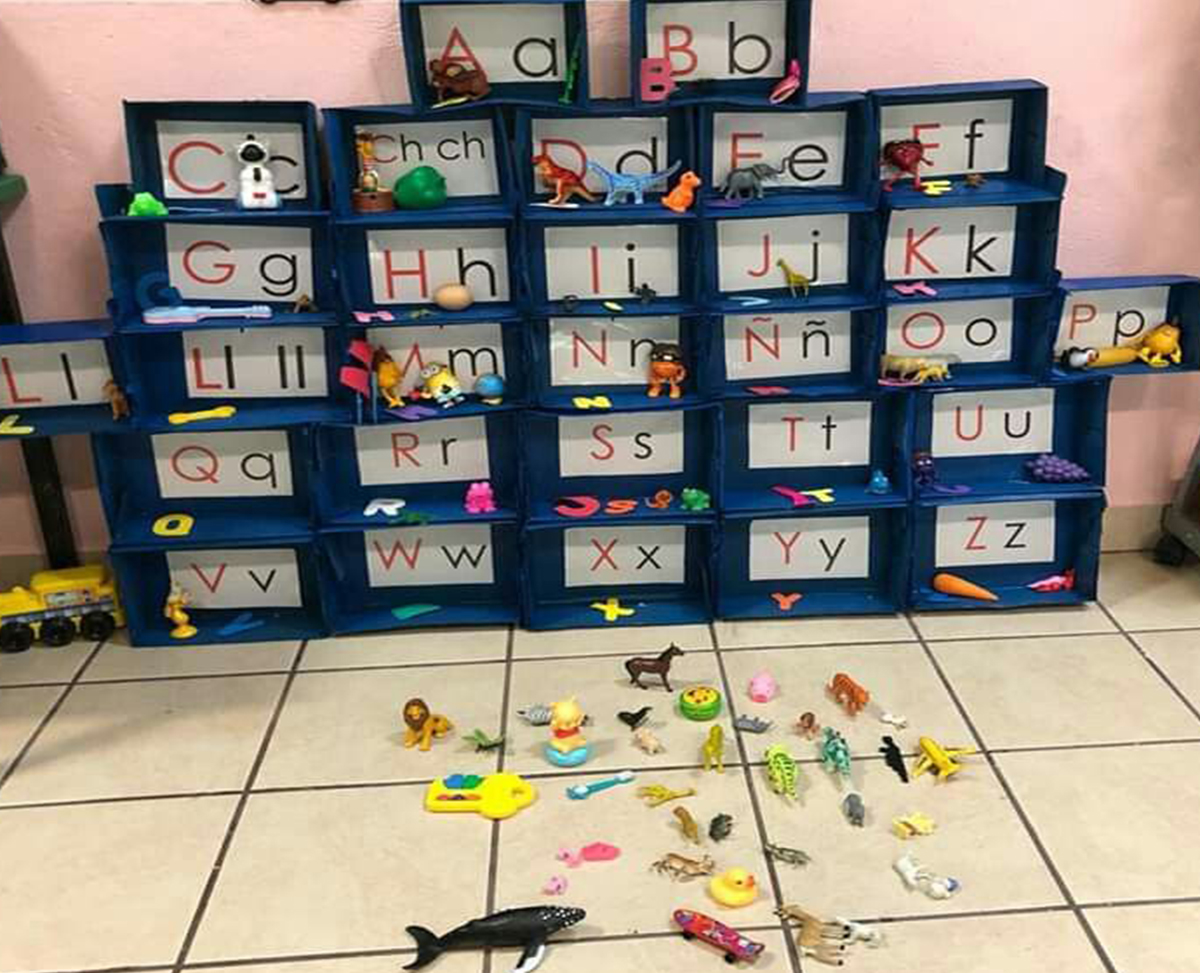
Image Reference: Maria Olivia, Pinterest
Letter Tracing Station
Children trace letters using stencils, paper rolls, or sand trays.
Strategies for Educators:
- Encourage correct letter formation.
- Extend into sensory play with sand or clay.
- Link to handwriting readiness and fine motor skills.
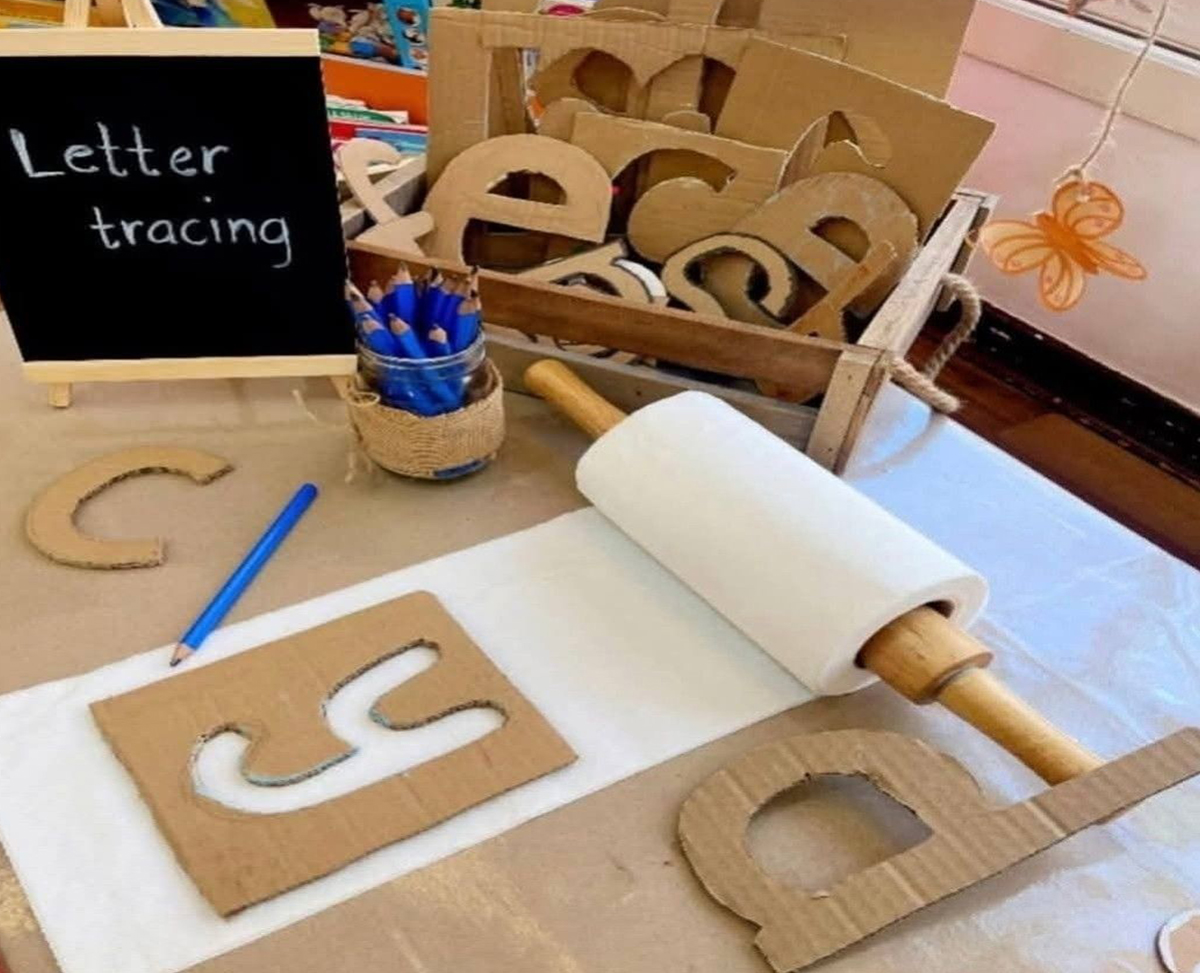
Image Reference: Rosalinda Ramos, Pinterest
Picture‑Linked Letters
Foam letters paired with images of objects beginning with that letter.
Strategies for Educators:
- Encourage phonics through picture association.
- Extend into storytelling using the images.
- Link to language development by expanding word banks

Image Reference: Monica Oliver, Pinterest
Object Sound Sort
Children sort miniature toys into trays based on initial sounds.
Strategies for Educators:
- Encourage classification by beginning letter.
- Extend into group games (“Find all the C words”).
- Link to literacy by reinforcing sound recognition.

Image Reference: La Fleur Des Sons, Pinterest
LEGO Letter Building
Children construct letters using LEGO bricks and printed guides.
Strategies for Educators:
- Encourage spatial awareness and creativity.
- Extend into STEM by discussing design and construction.
- Link to literacy by pairing with phonics practice.
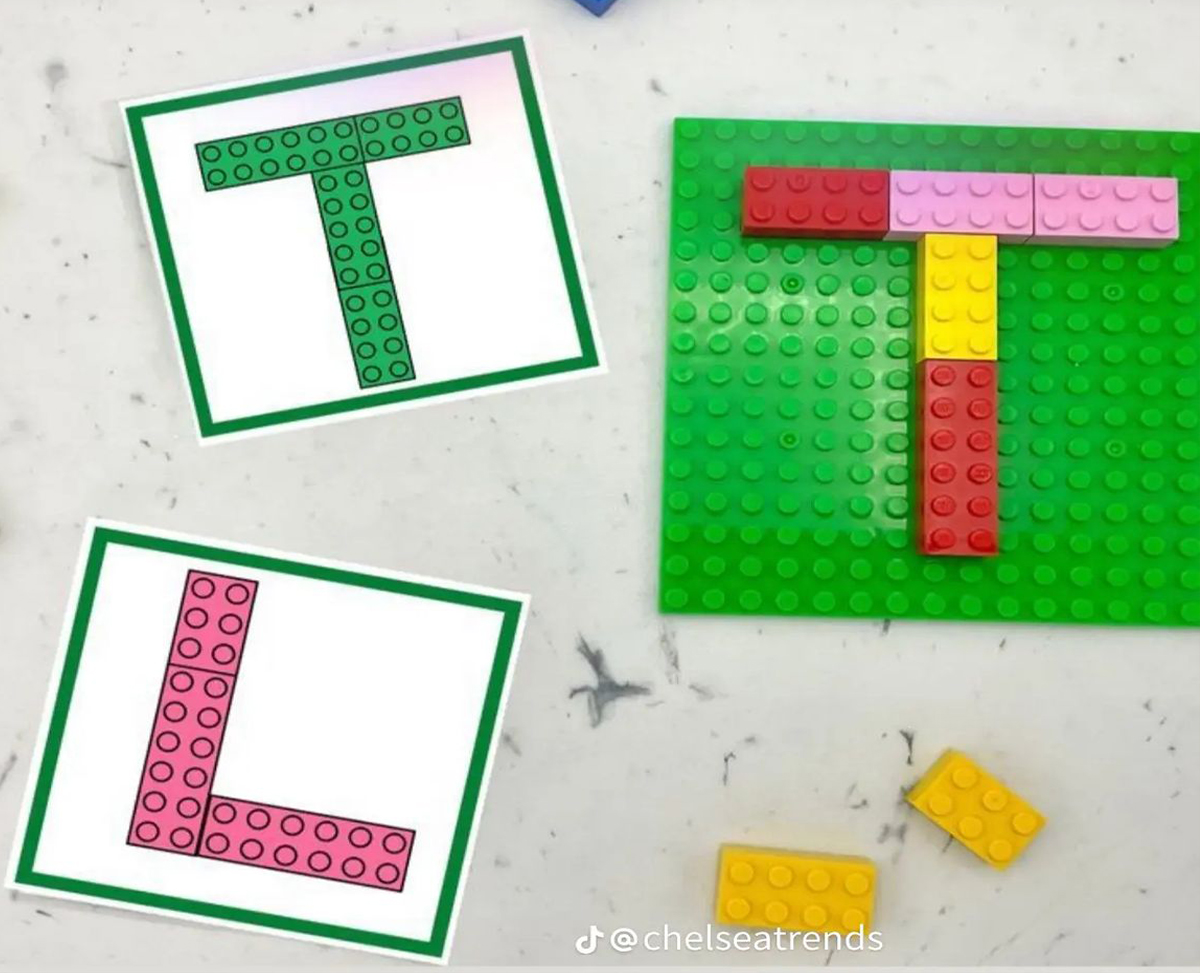
Image Reference: Kyndracallahan, Pinterest
Alphabet Stones Match
Painted stones matched to alphabet boards.
Strategies for Educators:
- Encourage tactile exploration.
- Extend into outdoor play by hiding stones for discovery.
- Link to sustainability by using natural materials.

Image Reference: Luciasturias Gonzales Marcos, Pinterest
Sand Tray Letters
Children trace letters in sand following guide cards.
Strategies for Educators:
- Encourage sensory engagement.
- Extend into mindfulness through calm tracing.
- Link to handwriting readiness.
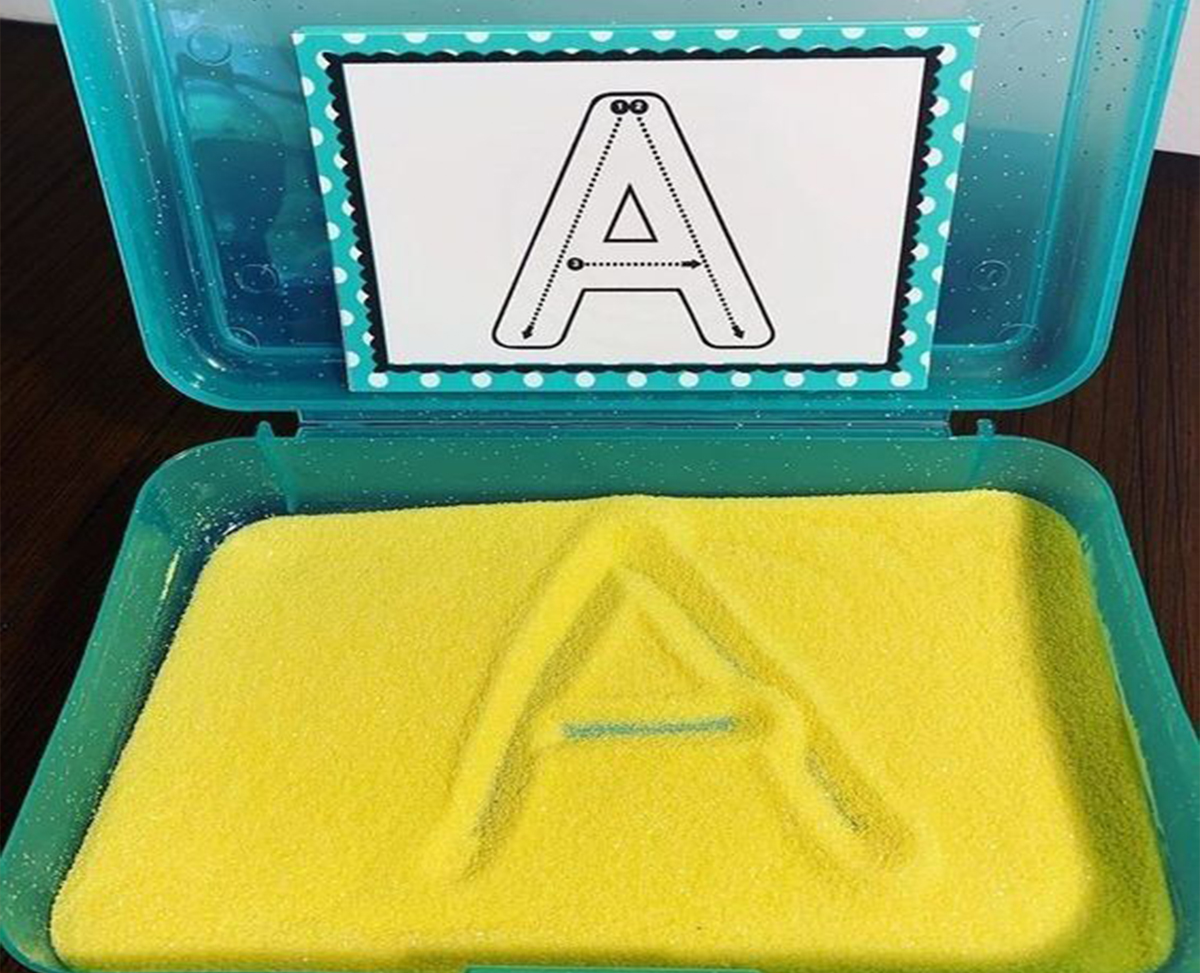
Image Reference: Mamaleiefde Reis Liefde, Pinterest
Playdough Letters
Children shape letters with colourful playdough.
Strategies for Educators:
- Encourage creativity and tactile learning.
- Extend into phonics by sounding out each clay letter.
- Link to art and literacy integration.
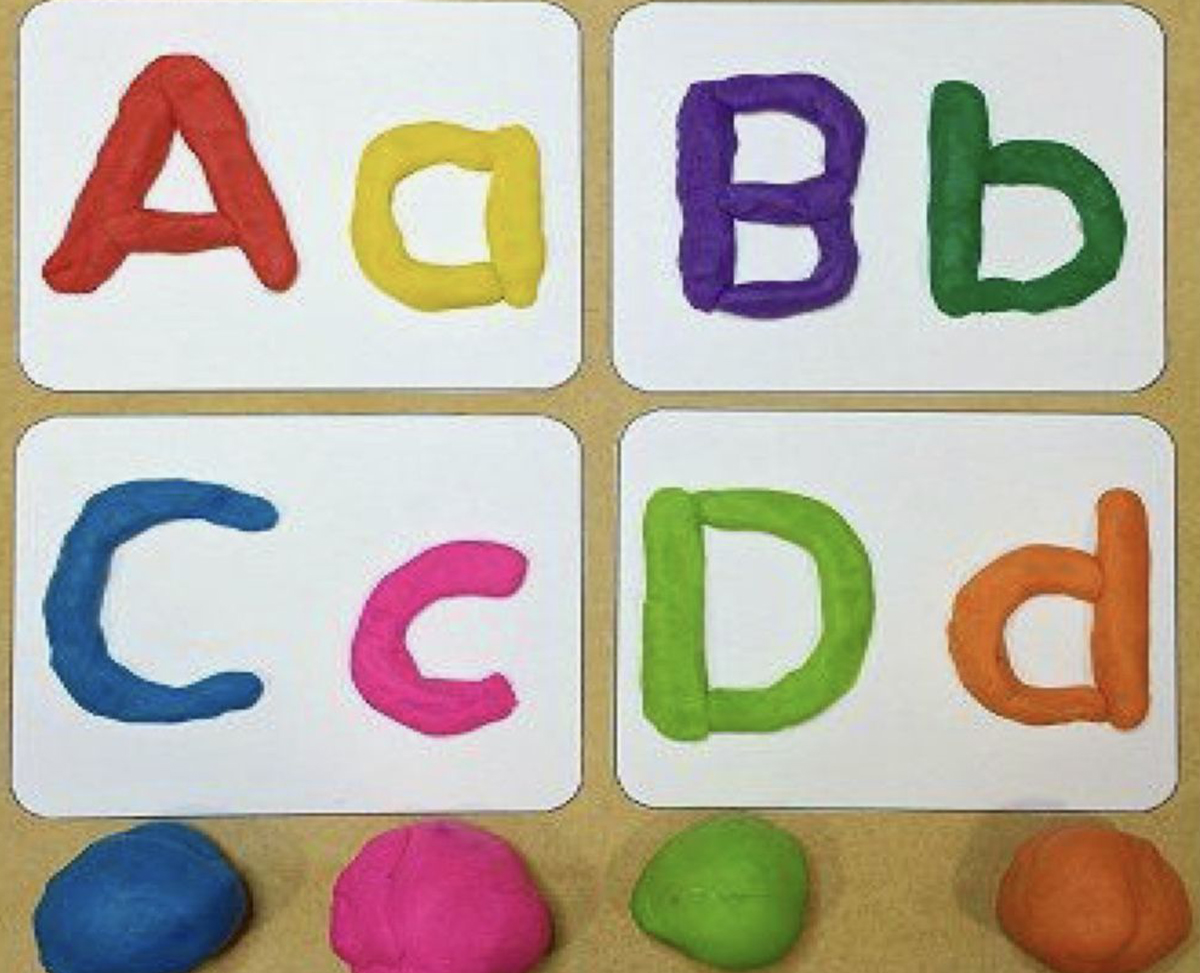
Image Reference: Cristina Campos, Pinterest
Practical Strategies for Educators
- Offer Multi‑Sensory Materials: Sand, clay, stones, and craft items.
- Encourage Sound Association: Pair letters with everyday objects.
- Link to EYLF: Highlight communication and identity outcomes.
- Document Learning: Capture photos and reflections to share with families.
Alphabet photo activities transform literacy learning into playful exploration. By embedding these setups into everyday practice, educators foster phonics, recognition, and creativity. With thoughtful strategies and inclusive approaches, alphabet learning becomes a joyful journey for every child.