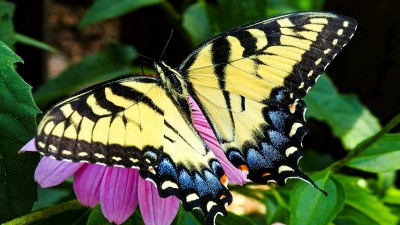
Butterfly Education and Awareness Day (BEAD) is celebrated on June 6, 2026. It was created by the Association for Butterflies to raise awareness about butterflies as pollinators, their habitats, and conservation needs. For early childhood educators, BEAD is a chance to connect children with nature through play, observation, and creativity.
Why Butterflies Matter
- Pollinators: Butterflies help plants reproduce, supporting ecosystems and food chains.
- Life Cycle Learning: Their metamorphosis (egg → caterpillar → chrysalis → adult) is a vivid way to teach sequencing and scientific vocabulary.
- Environmental Indicators: Butterfly populations reflect ecosystem health, making them important for conservation awareness.
- Cultural Inspiration: Their colors and patterns inspire art, music, and storytelling across cultures.
Key Facts About Butterflies
-
Classification: Insects, superfamily Papilionoidea. Families include Papilionidae (swallowtails), Nymphalidae (brush-footed), Pieridae (whites and yellows), Lycaenidae (blues and coppers), and more.
-
Life Cycle: Four stages—egg, caterpillar (larva), chrysalis (pupa), adult butterfly. This process is called complete metamorphosis.
-
Origin: Fossils date back ~56 million years, though genetic evidence suggests butterflies originated in the Cretaceous period.
-
Ecological Role: Pollinators second only to bees and wasps; also part of the food chain for birds, bats, and other animals.
-
Indicators of Ecosystem Health: Sensitive to climate change, pollution, and habitat loss, making them excellent bioindicators.
Butterfly Adaptations
-
Camouflage: Blend into surroundings to avoid predators.
-
Mimicry: Some species imitate toxic butterflies to deter predators.
-
Aposematism: Bright colors warn predators of toxicity.
-
Mud-puddling: Males gather at moist soil to absorb nutrients like sodium, boosting fertility.
Practical Strategies for Early Childhood
- Sensory Sorting Tray: Rice, pasta, or beans represent life cycle stages for sorting and counting.
- Life Cycle Crafts: Flipbooks, dioramas, or paper wheels reinforce sequencing.
- Symmetry Art: Paint-and-fold butterfly wings to explore math and art.
- Outdoor Butterfly Walk: Observe butterflies in gardens and record findings in journals.
- Wing Color Experiment: Coffee filter butterflies teach color blending and scientific inquiry.
- Life Cycle Exploration: Use sensory trays with rice (eggs) and pasta shapes (caterpillar, chrysalis, butterfly) to sort and learn stages.
- Butterfly Crafts: Coffee filter butterflies, paper plate butterflies, or chromatography butterflies to teach color mixing and symmetry.
- Outdoor Observation: Take children outside to spot butterflies, record observations, and discuss habitats.
- Storytelling & Songs: Read butterfly-themed books or sing songs to connect literacy with science.
- Sensory Play: Butterfly sensory bins with textures, colors, and shapes to encourage imaginative play.
Why It Matters in Early Childhood
| Benefit | Impact on Children |
|---|---|
| Science concepts | Teaches metamorphosis, ecosystems, pollination |
| Observation skills | Encourages curiosity and questioning |
| Respect for nature | Builds empathy for living creatures |
| Fine motor skills | Crafts and sorting activities refine dexterity |
| Vocabulary growth | Introduces terms like "chrysalis" and "metamorphosis." |
| Conservation awareness | Instills early responsibility for the environment |
Butterfly Education and Awareness Day is more than a celebration — it’s an invitation to spark wonder, nurture curiosity, and inspire respect for the natural world in young learners. By weaving together science, art, and play, educators can help children see butterflies not only as beautiful creatures but also as vital pollinators and symbols of transformation. Small steps, like planting nectar-rich flowers or creating butterfly-friendly spaces, can empower children to become caretakers of their environment.
Together, we can ensure that the flutter of butterfly wings continues to remind future generations of the delicate balance of our ecosystems and the joy of discovery in early childhood.
Further Reading
The Very Hungry Caterpillar—Free Story
Butterfly Posters
Butterfly Matching Clip Cards
Life Cycle Of A Butterfly
Butterfly Posters
Butterfly Matching Clip Cards
Five Little Caterpillars
Butterfly Garden Counting