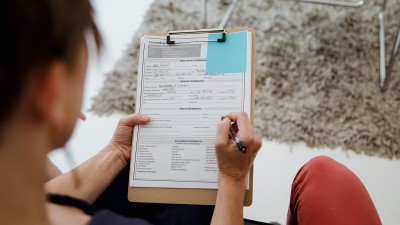
Summative assessments in early childhood provide a structured “snapshot” of a child’s development at a specific point in time, helping educators, families, and professionals understand overall progress, strengths, and areas needing support. They are essential for reporting, accountability, and guiding transitions to the next stage of learning.
Purpose of Summative Assessments
-
Measure progress They evaluate a child’s development against curriculum frameworks like the EYFS or local standards, showing how well learning objectives have been met.
-
Identify strengths and needs Summative assessments highlight areas where a child excels and where additional support may be required.
-
Support transitions Reports help smooth transitions between settings (e.g., preschool to primary school) by providing documented evidence of learning.
-
Provide accountability They demonstrate the effectiveness of educational programs and ensure compliance with standards.
-
Communicate with families Summative assessments give parents clear updates on their child’s achievements, often through portfolios or reports.
Key Features of Summative Assessments
-
Structured format: Written reports, checklists, or portfolios.
-
Evidence-based: Draws on weeks/months of observations.
-
Developmentally appropriate: Must match the child’s age and stage.
-
Holistic view: Considers social, emotional, physical, and cognitive growth.
Typical Timing of Summative Assessments
-
End of term Many centres complete a summative assessment at the end of each school term or semester to report progress.
-
End of year A comprehensive review is often done annually, summarising the child’s growth across all developmental domains.
-
Transition points Summative assessments are especially important when a child moves from one room, educator, or setting to another (e.g., preschool to primary school).
-
Framework requirements Some curricula (like EYLF or EYFS) recommend summative assessments at specific ages or milestones, such as before age 5 or prior to school entry.
Sample Of An Summative Report
Here’s a sample summative assessment report you could adapt for toddlers or preschoolers. It shows how evidence from observations is compiled into a structured snapshot of development:
Age: 3 years, 6 months
Date: End of Term 2
Educator: Lorina
Developmental Domains
-
Physical Development Maya demonstrates improved gross motor skills, confidently climbing playground equipment and balancing on beams. Fine motor skills are developing steadily; she can use scissors with support and enjoys threading beads.
EYLF Link: Outcome 3 – Children have a strong sense of wellbeing. -
Language & Communication Vocabulary has expanded significantly. Maya uses 4–5 word sentences and asks questions during group discussions. She enjoys storytelling and can retell familiar stories with prompts.
EYLF Link: Outcome 5 – Children are effective communicators. -
Social & Emotional Maya shows empathy toward peers, offering comfort when others are upset. She is beginning to manage turn-taking during group play but occasionally needs adult support.
EYLF Link: Outcome 1 – Children have a strong sense of identity. -
Cognitive Development Demonstrates curiosity in problem-solving activities, such as puzzles and sorting games. She can count objects up to 10 and recognizes basic shapes and colors.
EYLF Link: Outcome 4 – Children are confident and involved learners.
Educator’s Summary
Maya has made steady progress across all developmental domains. Her language and social skills are particularly strong, while fine motor skills continue to develop with practice. She thrives in group activities and shows readiness for more structured learning experiences.
Next Steps (EYLF-aligned)
-
Provide more opportunities for cutting and drawing to strengthen fine motor control (Outcome 3).
-
Encourage independent storytelling to build confidence in language (Outcome 5).
-
Support turn-taking through small group games (Outcome 1).
Evidence Sources
-
Weekly formative observations (photos, jottings)
-
Learning stories from group activities
-
Parent feedback during mid-term meeting
-
Reflective Takeaway
Summative assessments are not about ranking children but about capturing a holistic picture of development. When paired with formative assessments, they ensure both the micro-moments of learning and the macro-picture of growth are valued.
Further Reading
Summative Assessments In Early Childhood
Guide To Writing Summative Assessments
Summative Assessment Cheat Sheet For Educators
Summative Assessment Quick Reference Guide
Formative Assessment Practices In Early Childhood Settings