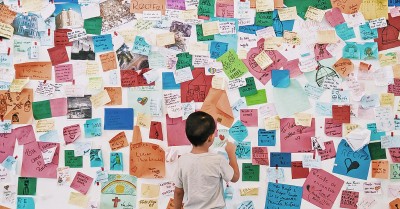
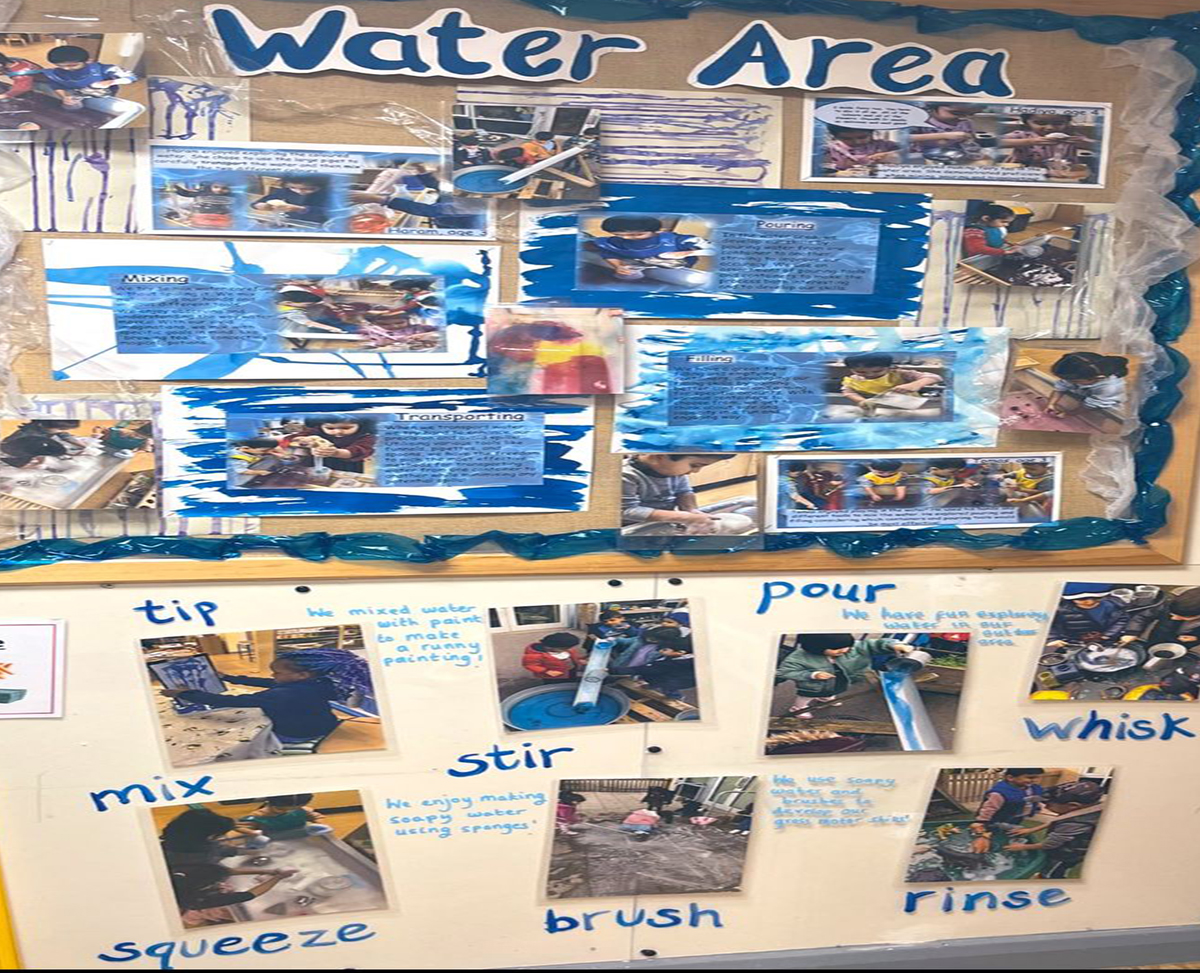
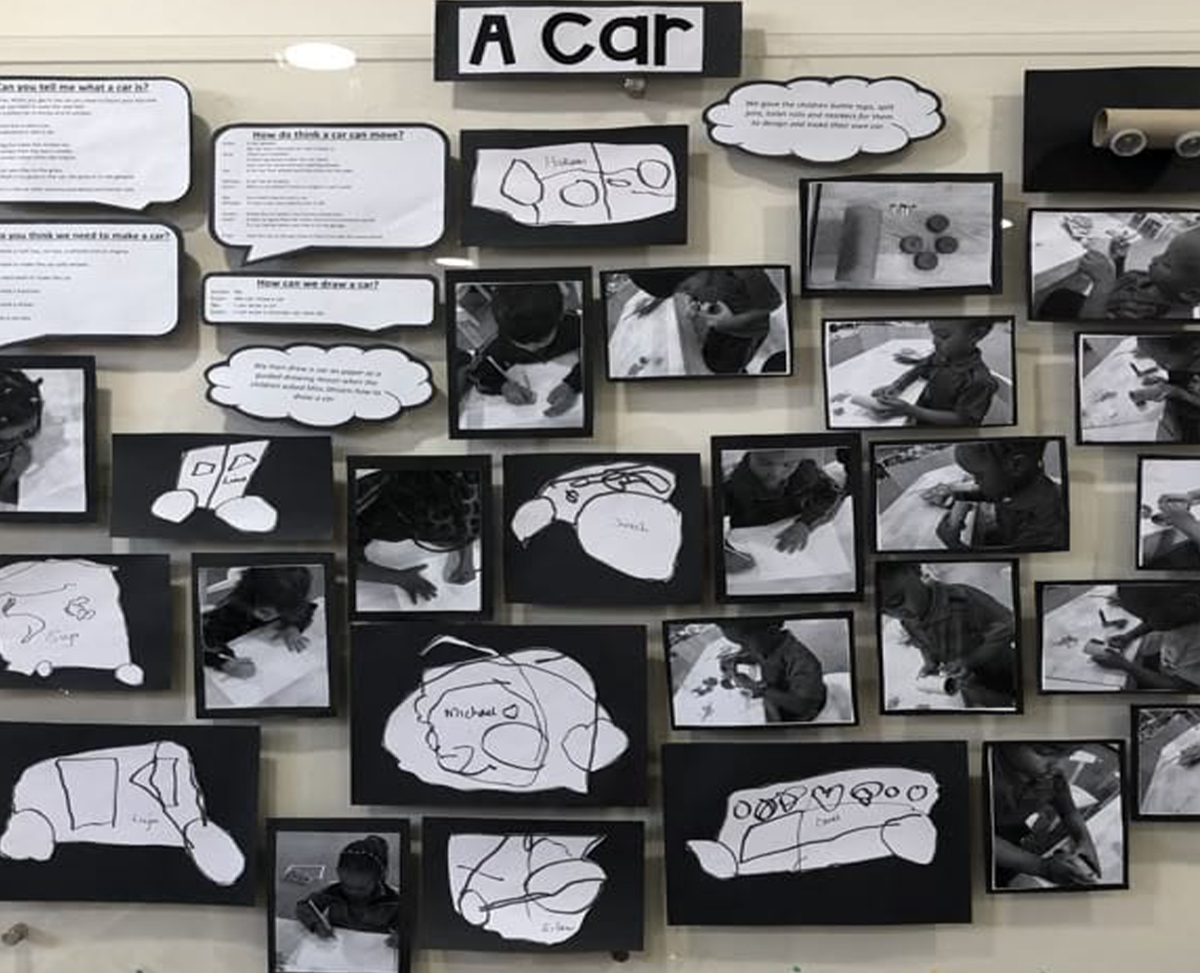
Reggio Emilia documentation is a cornerstone of the Reggio philosophy. It’s not just record-keeping—it’s a way of making children’s learning visible, meaningful, and valued.
What is Reggio Emilia Documentation?
- A process of observing, recording, and interpreting children’s learning journeys.
- Uses photos, transcripts of conversations, children’s work samples, and educator reflections.
- It functions as both a mirror (showing children their own growth) and a window (sharing learning with families and the wider community).
Purpose
- Make learning visible: Show the thinking, creativity, and problem-solving of children.
- Support reflection: Helps educators analyze teaching practices and children’s progress.
- Strengthen relationships: Builds connections between children, educators, and families.
- Advocate for children’s rights: Positions children as capable, curious, and active participants in their learning.
What Makes It Special
- Democratic and collaborative: Involves children, families, and the community.
- Narrative-driven: Captures the story of learning, not just outcomes.
- Cultural and contextual: Reflects the values and identity of the community.
- Dynamic: Documentation evolves with children’s interests and projects.
How to Do It
- Observe closely—listen to children’s words, watch their actions.
- Collect evidence—photos, videos, drawings, and transcripts.
- Interpret meaning—ask, "What does this tell us about the child’s thinking?"
- Display and share – create panels, journals, or digital portfolios.
- Reflect and revisit – use documentation to plan next steps and extend learning.
Photo Ideas
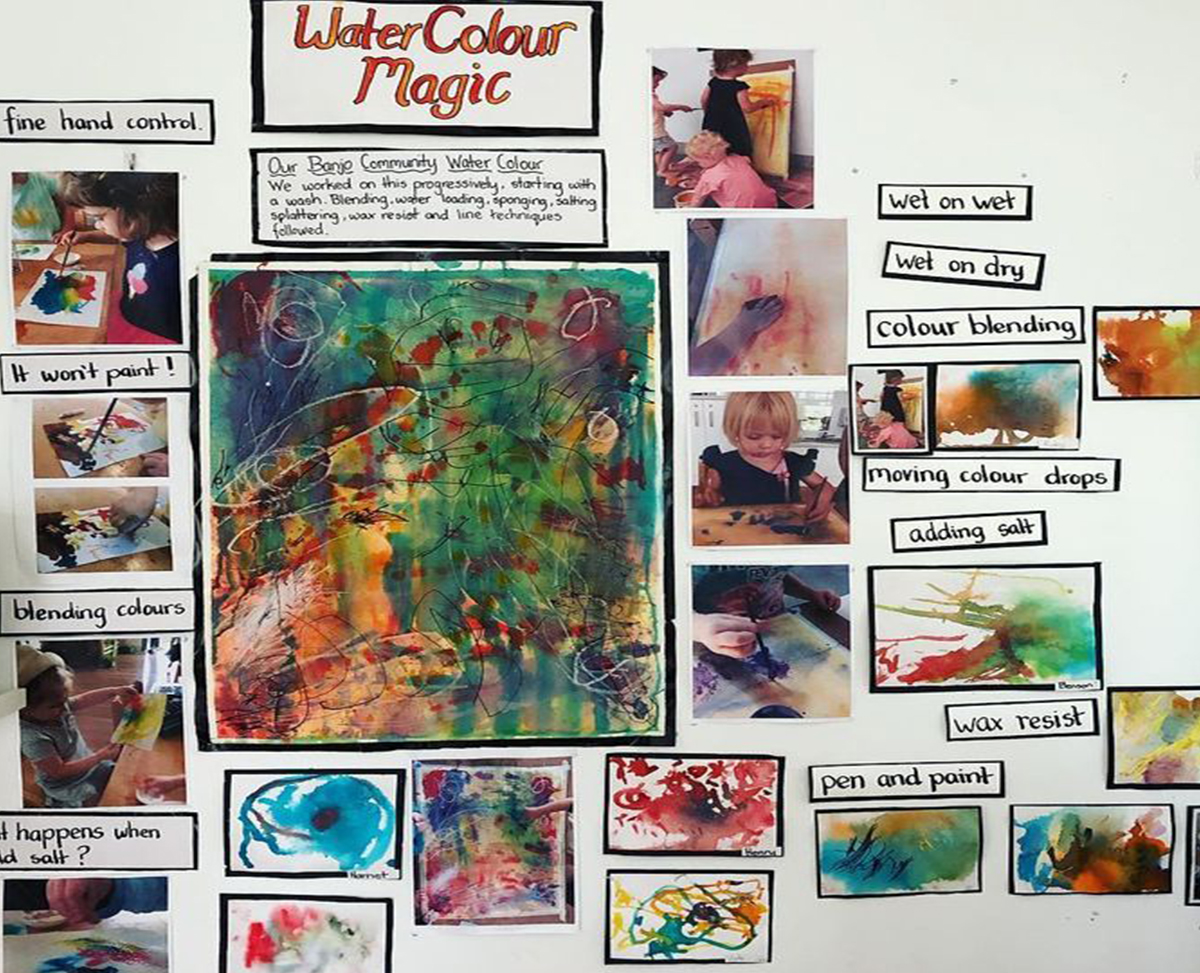
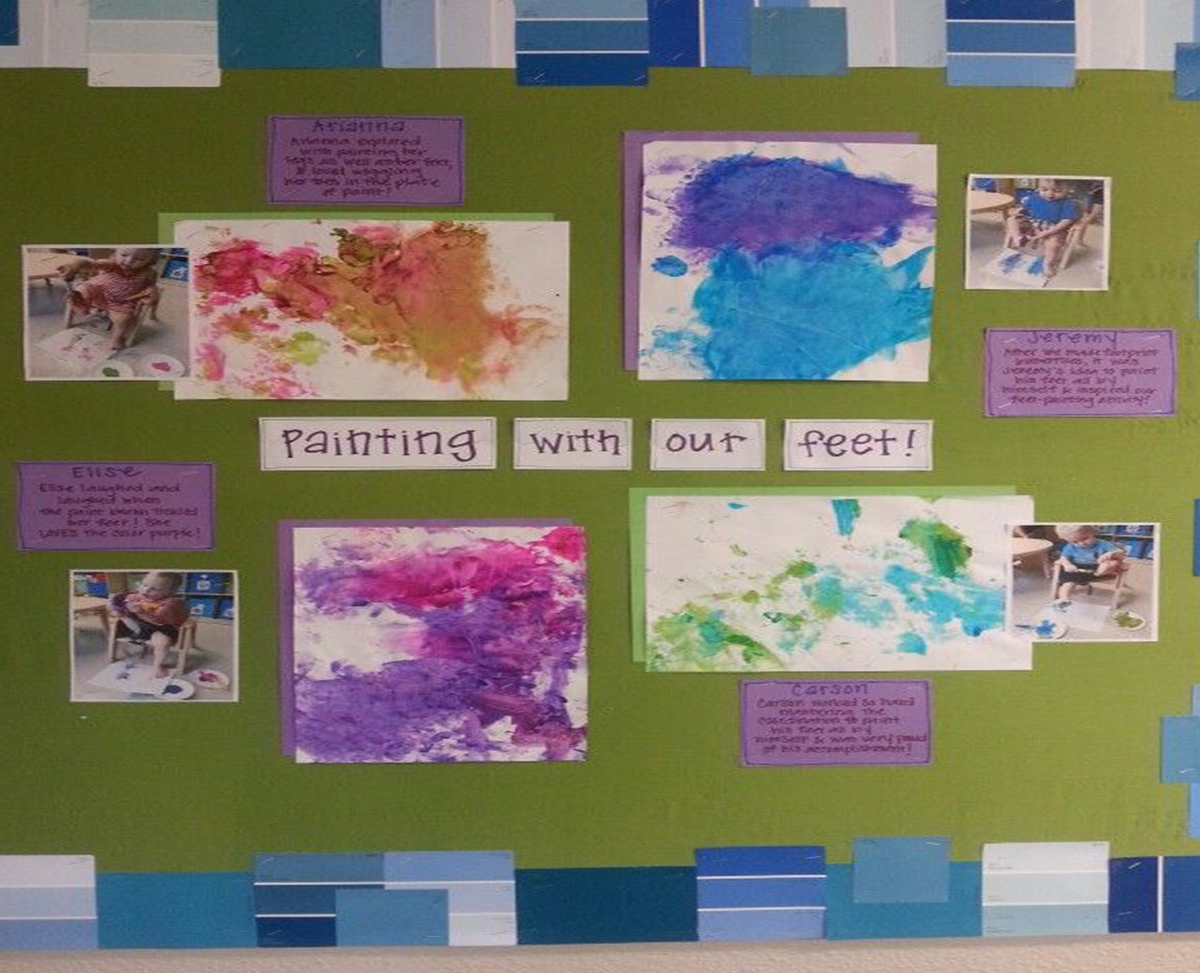
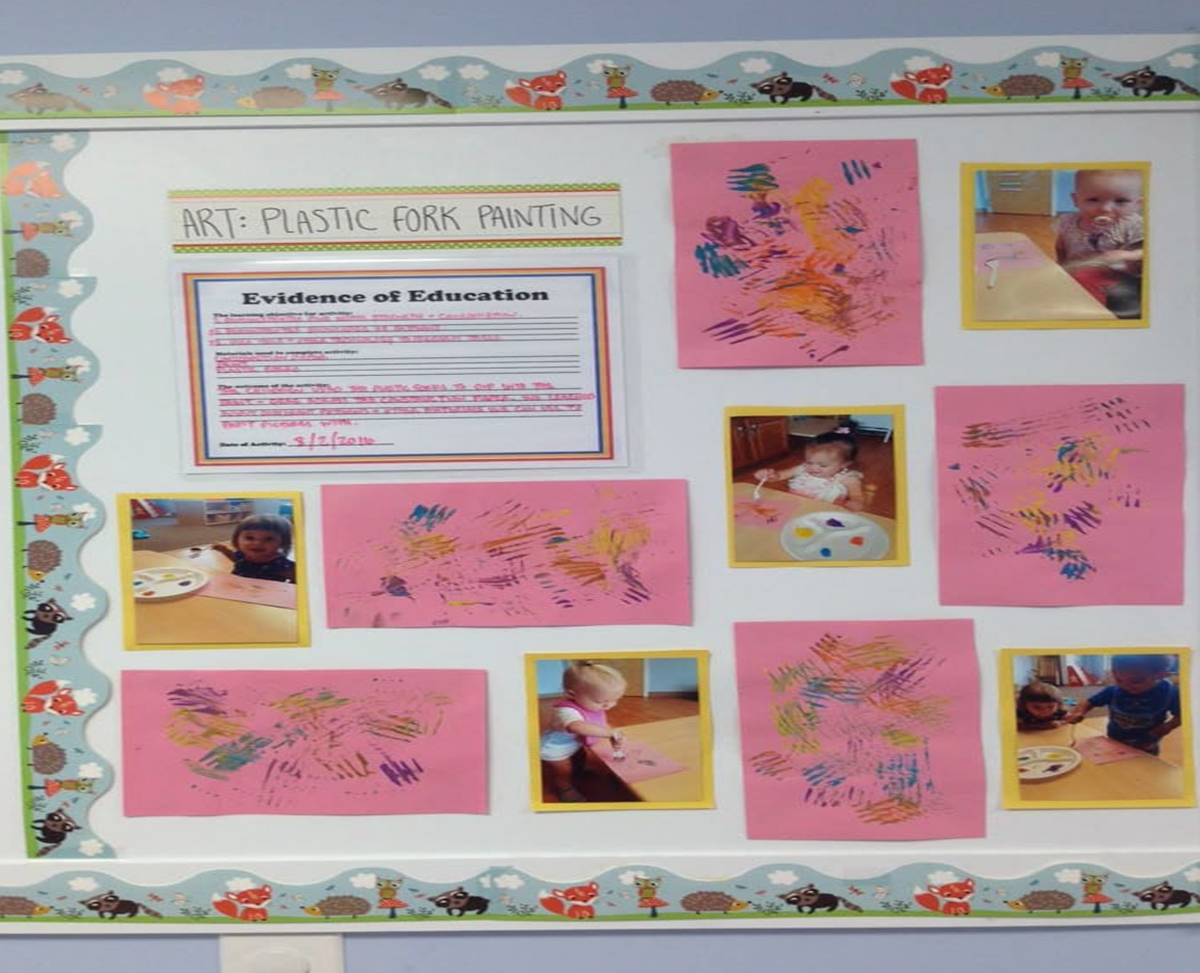
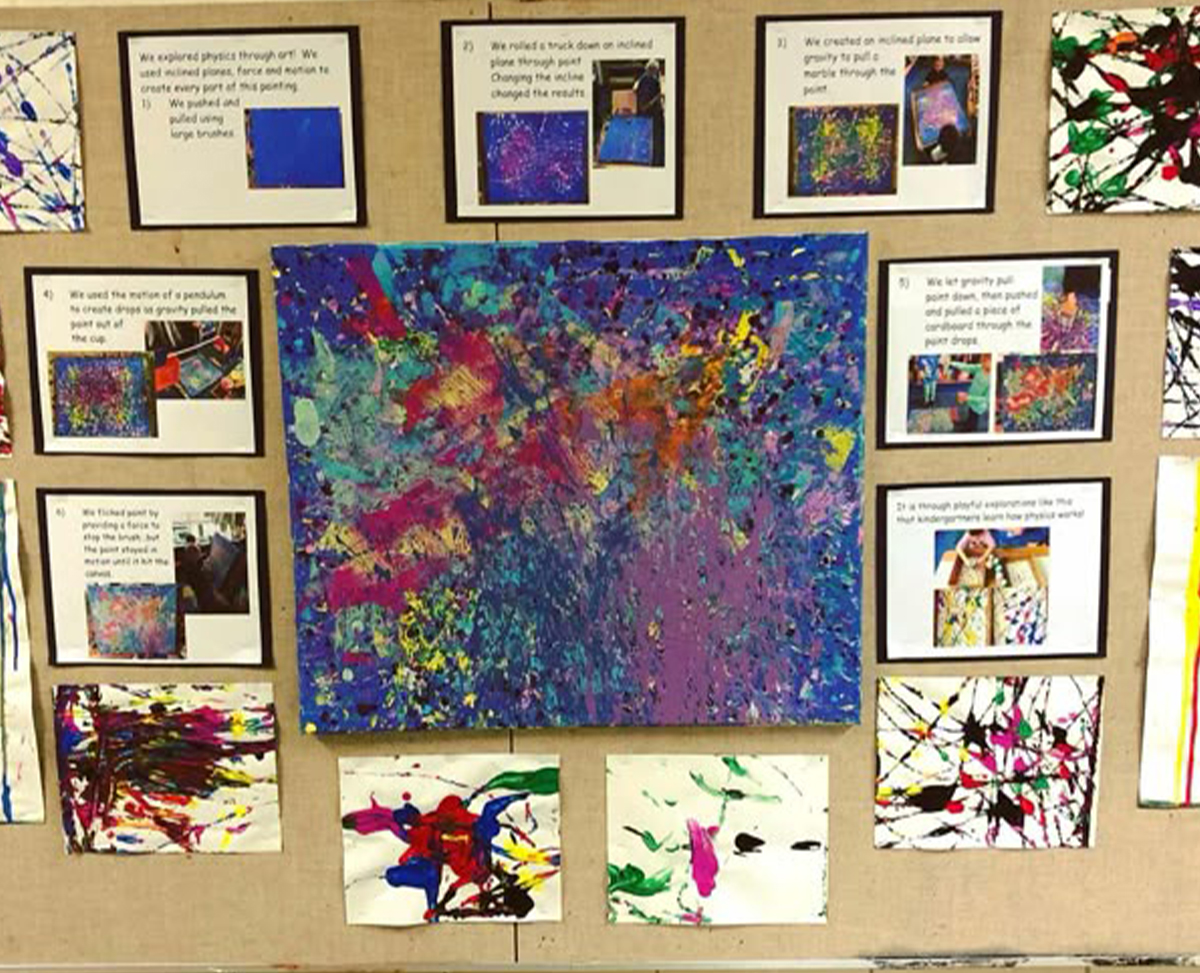
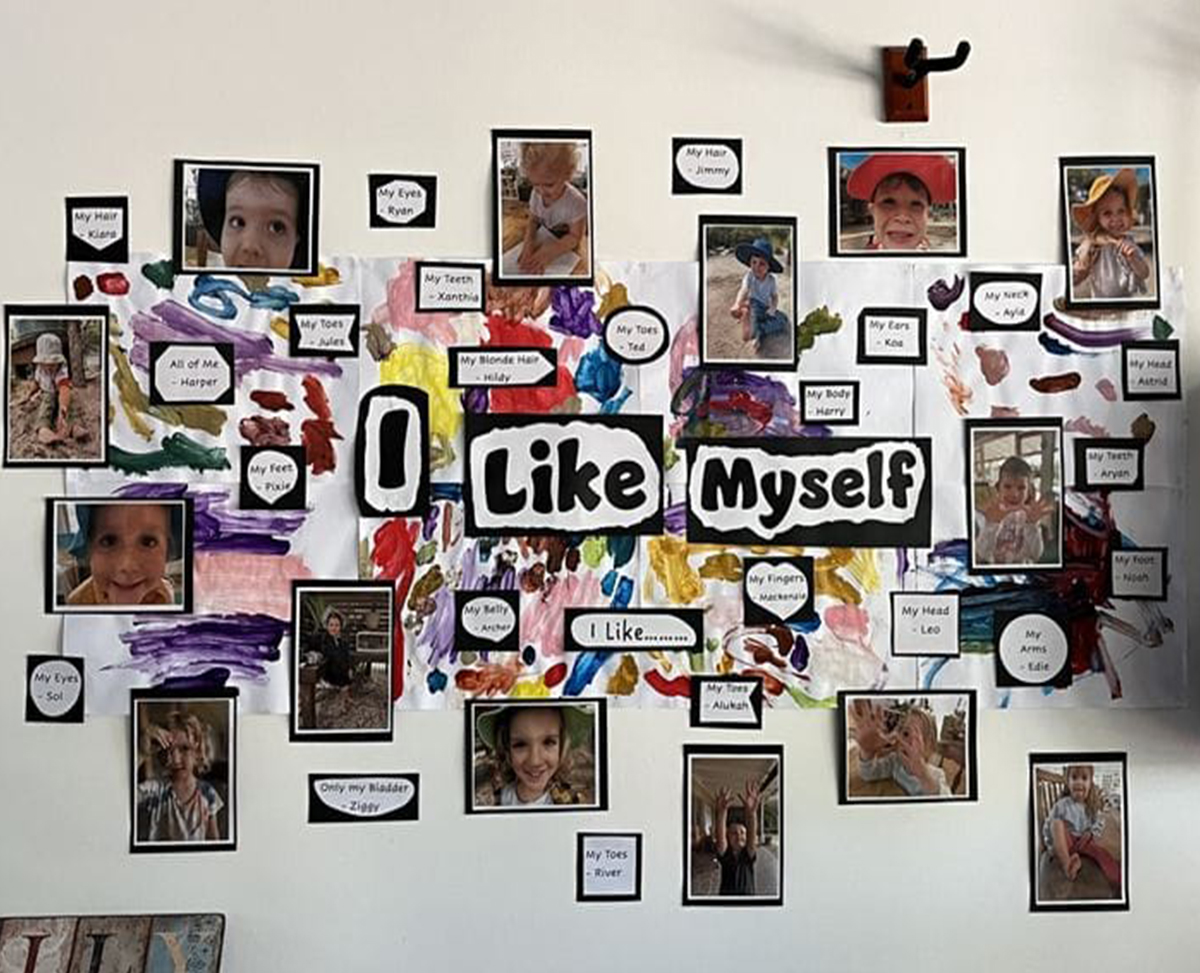
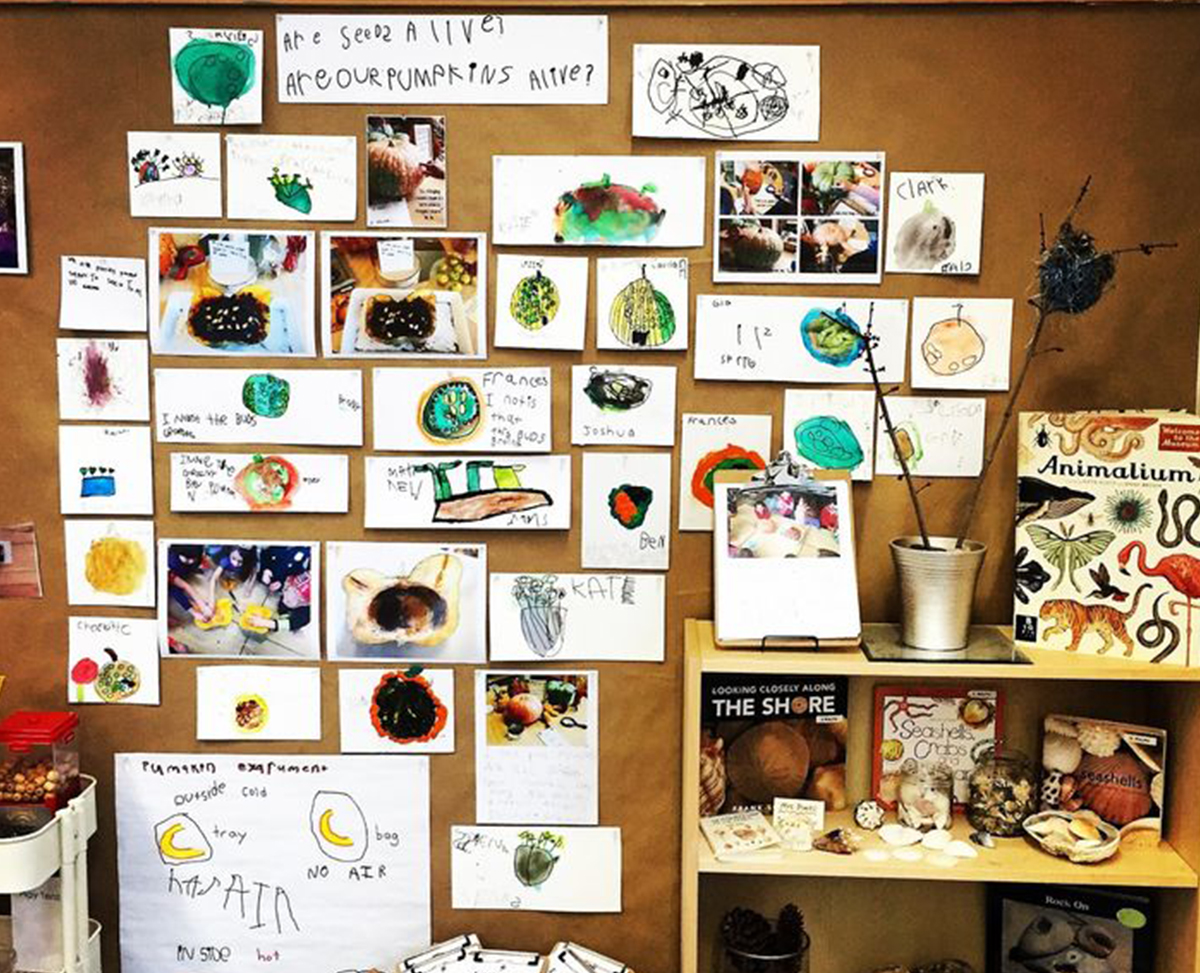
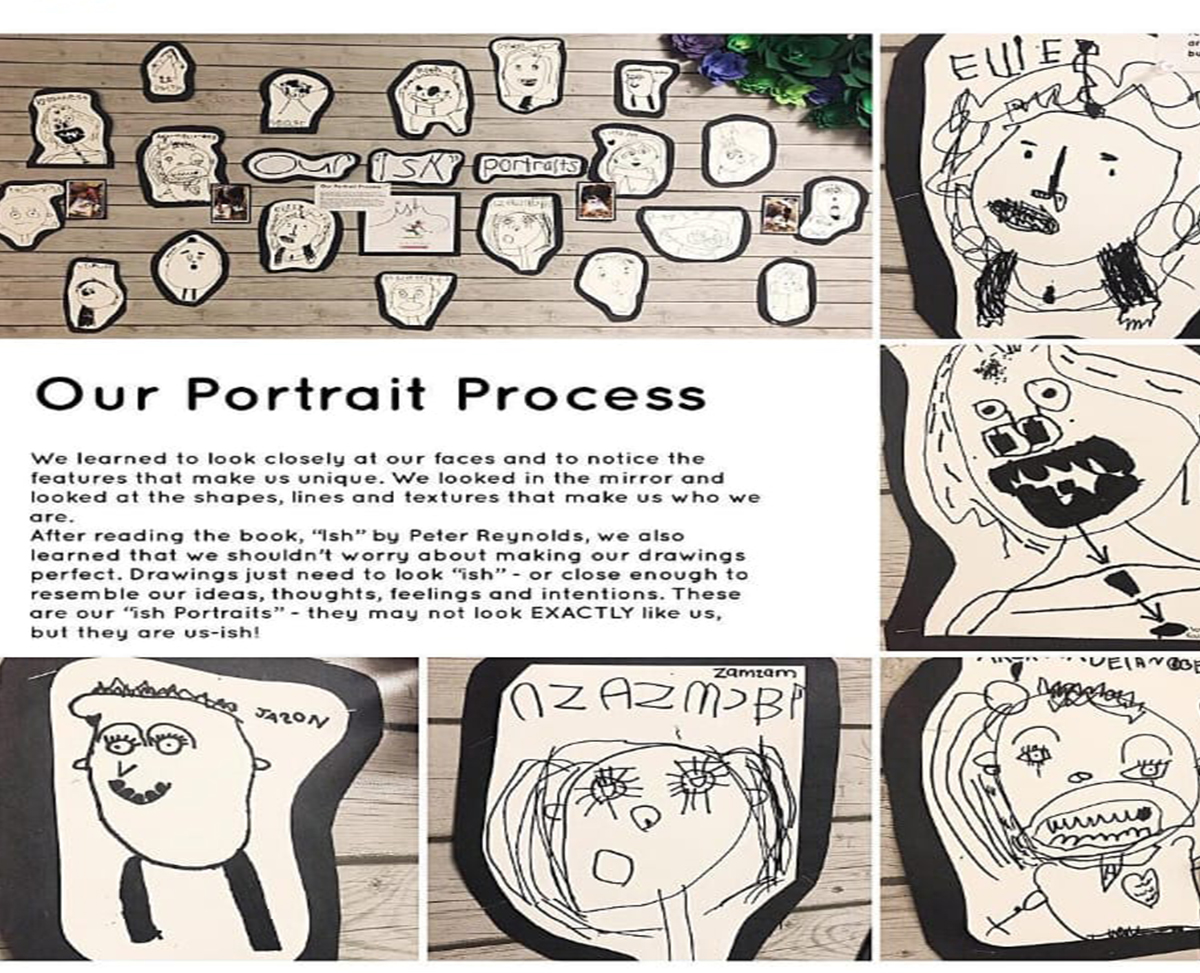
Linking to the EYLF (Early Years Learning Framework)
- Outcome 1: Children have a strong sense of identity → documentation shows belonging and self-expression.
- Outcome 2: Children are connected with and contribute to their world → highlights collaboration and community.
- Outcome 3: Children have a strong sense of wellbeing → captures resilience and emotional growth.
- Outcome 4: Children are confident and involved learners → traces problem-solving and inquiry.
- Outcome 5: Children are effective communicators → records language, storytelling, and symbolic play.
Practical Tips
- Keep it authentic: Focus on children’s voices, not polished displays.
- Use short notes and photos daily instead of long reports.
- Involve children: let them choose what to document or narrate in their own work.
- Rotate focus: not every child needs documentation every day.
- Balance digital and physical formats: portfolios, wall panels, or online journals.
- Reflect as a team: use documentation in staff meetings to align practice.
Guide for Educators
- Start small: one photo + one quote can be powerful.
- Ask reflective questions: “What surprised me today?” “What did the child discover?”
- Think audience: documentation should speak to children, families, and colleagues.
- Celebrate process, not product: highlight the journey of learning.
- Connect theory to practice: link observations to EYLF outcomes and Reggio principles.
- Use documentation as advocacy: show families and policymakers the richness of play-based learning.
Image References:
Image 1 - My Teaching Cupboard, Pinterest
Image 2 - Emily Foster, Pinterest
Image 3 - Rainbow Child Care Centre, Pinterest
Image 4 - Bianca Spainhour, Pinterest
Image 5 - PNB, Pinterest, Pinterest
Image 6 - Mary Vickers, Pinterest
Image 7 - Passionately Curious Educators, Pinterest
Image 8 - No Name, Pinterest
Image 9 - Emily Dyer, Pinterest
Image 10 - Shivani Shah, Pinterest
Further Reading
Guide To The Reggio Emilia Approach
Mark-Making: The Reggio Emilia Approach
100 Languages of Children
References
Reggio-Inspired
Early Childhood Ireland
UWA Profiles and Research Repository