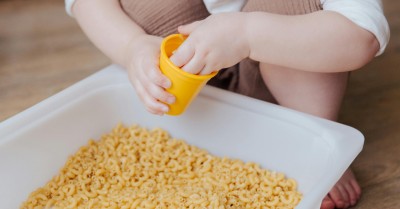
Sensory play is a cornerstone of early childhood education, offering children opportunities to explore textures, sounds, smells, and movement in ways that build curiosity and support developmental growth.
Traditionally, many educators have relied on dried food items—such as rice, pasta, or beans—as sensory bases. While these materials are engaging, the growing conversation around sustainability and food wastage challenges us to reconsider their use. As leaders in the sector, we have a responsibility to model respect for resources and embed sustainable practices into everyday play.
This article explores non-food alternatives for sensory play and provides professional references to support this shift.
Why Move Away from Food in Play?
- Sustainability concerns: Using food for play contributes to waste and undermines messages about valuing resources.
- Ethical considerations: In communities where food insecurity exists, food-based play can feel insensitive.
- Sector reform: ACECQA and Early Childhood Australia encourage embedding sustainability into daily practice, including play choices.
Practical Alternatives to Food-Based Sensory Play
Natural & Outdoor Materials
- Pebbles, river stones, shells, driftwood
- Pinecones, seed pods, acorns
- Fresh herbs (mint, rosemary, lavender) for scent exploration
- Mud kitchens with soil, clay, and water
- Grass clippings, hay, straw bundles
Household & Everyday Items
- Sponges, scrub brushes, loofahs
- Fabric scraps, ribbons, yarn, felt pieces
- Metal spoons, whisks, sieves, funnels
- Bubble wrap, foil sheets, paper towel rolls
- Soap bars (wrapped or unwrapped for scent)
Recyclables & Loose Parts
- Bottle caps, jar lids, corks
- Egg cartons, cardboard boxes, paper rolls
- Old CDs/DVDs for reflective surfaces
- Nuts, bolts, washers (safe sizes for supervised play)
- Plastic containers, tubs, trays for pouring and scooping
Water & Sensory Bases
- Ice cubes (plain, colored, or with objects frozen inside)
- Biodegradable water beads or gel beads
- Foam, shaving cream (non-toxic, sensitive-skin safe)
- Bubbles (bubble machines or trays with bubble solution)
- Kinetic sand, cloud dough, slime (non-food recipes)
Creative & Artistic Materials
- Finger paints, textured paints (sand mixed in)
- Chalk dust, crushed chalk for sensory trays
- Clay, playdough, air-dry modeling compounds
- Beads, sequins, glitter (eco-friendly options)
- Fabric paint on different textures (canvas, burlap, silk)
Multi-Sensory Experiences
- Light tables with translucent objects (gems, colored tiles)
- Sound jars (containers with beads, bells, rice alternatives like gravel)
- Smell jars (cotton balls infused with essential oils or spices)
- Texture boards (sandpaper, velvet, faux fur, corrugated cardboard)
- Sensory bottles (oil + water, glitter, beads, colored liquids)
Reflection Prompts for Teams
- How does this choice model sustainability for children?
- What messages do we send when food is used for play?
- Which non-food materials can we source locally and sustainably?
- How can we rotate sensory bases to keep experiences fresh and engaging?
Shifting away from food-based sensory play is more than a practical adjustment—it’s a statement about values. By embracing natural, recyclable, and reusable materials, educators can create rich sensory experiences that honor sustainability, respect community needs, and inspire children’s curiosity. With professional references to guide practice, this transition becomes an opportunity for sector growth and reflective leadership.
Further Reading
Benefits Of Sensory Play
Sensory Play for Children And Its Importance
Sensory Processing In The Learning Environment
Messy Play, Big Learning: Why Sensory Experiences Matter
Sensory Processing Activities For Children To Increase Attention
2-Ingredient Sensory Recipes
Sensory Bin Ideas For Toddlers and Preschoolers