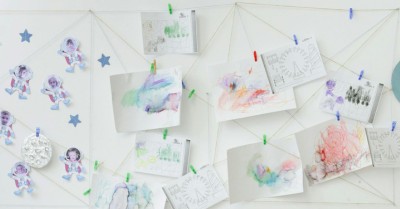
Art displays in early childhood settings are more than colourful walls, they are living stories of children’s growth, identity, and imagination. When thoughtfully curated, displays become powerful pedagogical tools that celebrate children’s voices, document their learning journeys, and invite families into the classroom experience. They reflect the values of inclusion, sustainability, and cultural pride, while offering children a sense of belonging and ownership in their environment.
By combining children’s artwork with photographs, captions, and natural materials, educators can transform displays into interactive narratives that highlight process as much as product. These displays not only showcase creativity but also strengthen emotional literacy, community connections, and curriculum outcomes.
The Purpose of Art Displays
Art displays in early childhood settings are more than decoration; they are pedagogical tools that:
- Showcase children’s voices and creativity.
- Document learning journeys and developmental milestones.
- Strengthen connections between home, community, and the learning environment.
- Embed cultural identity, sustainability, and inclusion into everyday practice.
Principles of Effective Displays
- Child-centered: Displays should highlight children’s perspectives, not adult perfection.
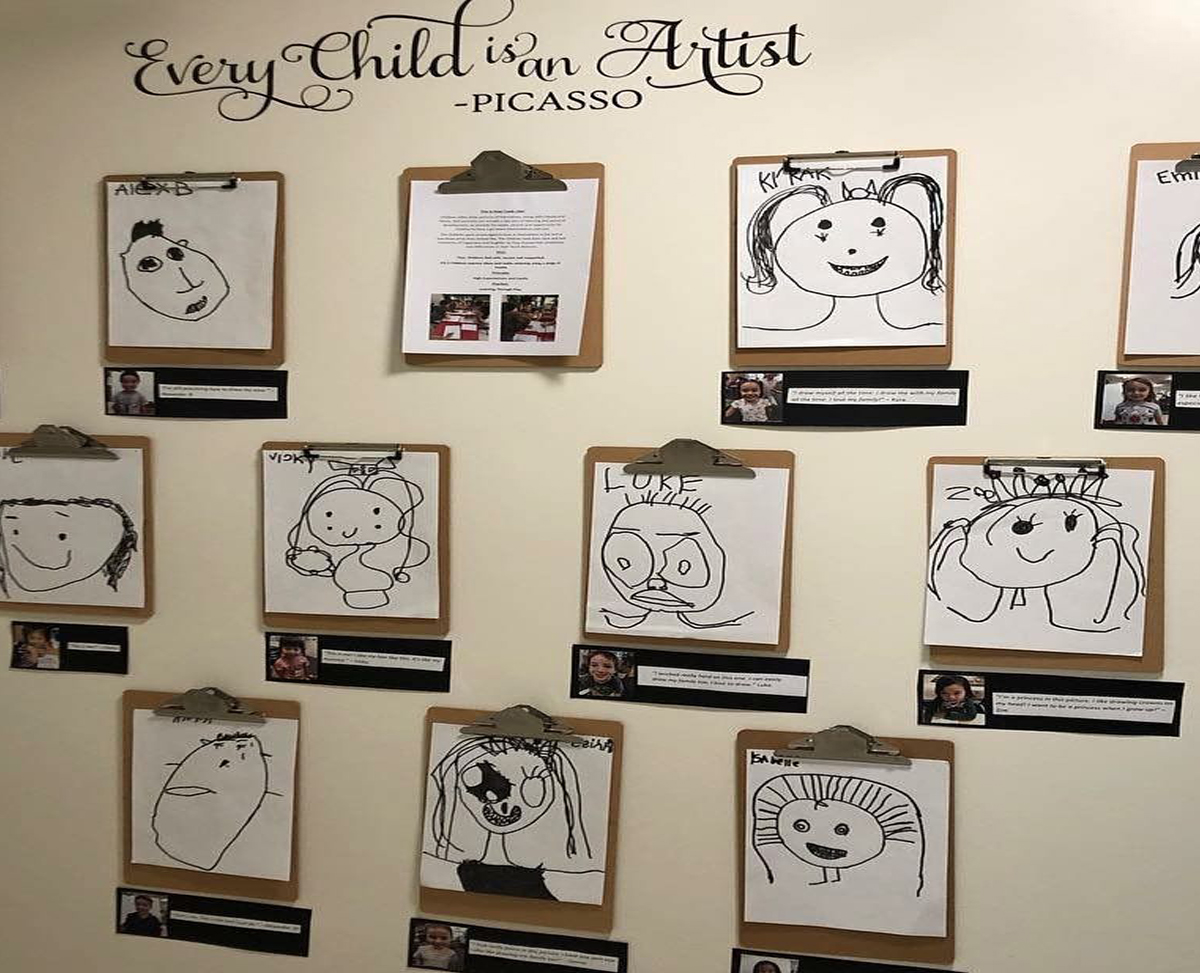
- Process over product: Include photos or captions that show how children created, not just the final piece.
- Inclusive representation: Ensure displays reflect diverse cultures, abilities, and family contexts.
- Interactive elements: Invite children to curate, rearrange, or add to displays.
- Sustainability: Use recycled frames, natural materials, and rotating panels to reduce waste.
Creative Display Ideas
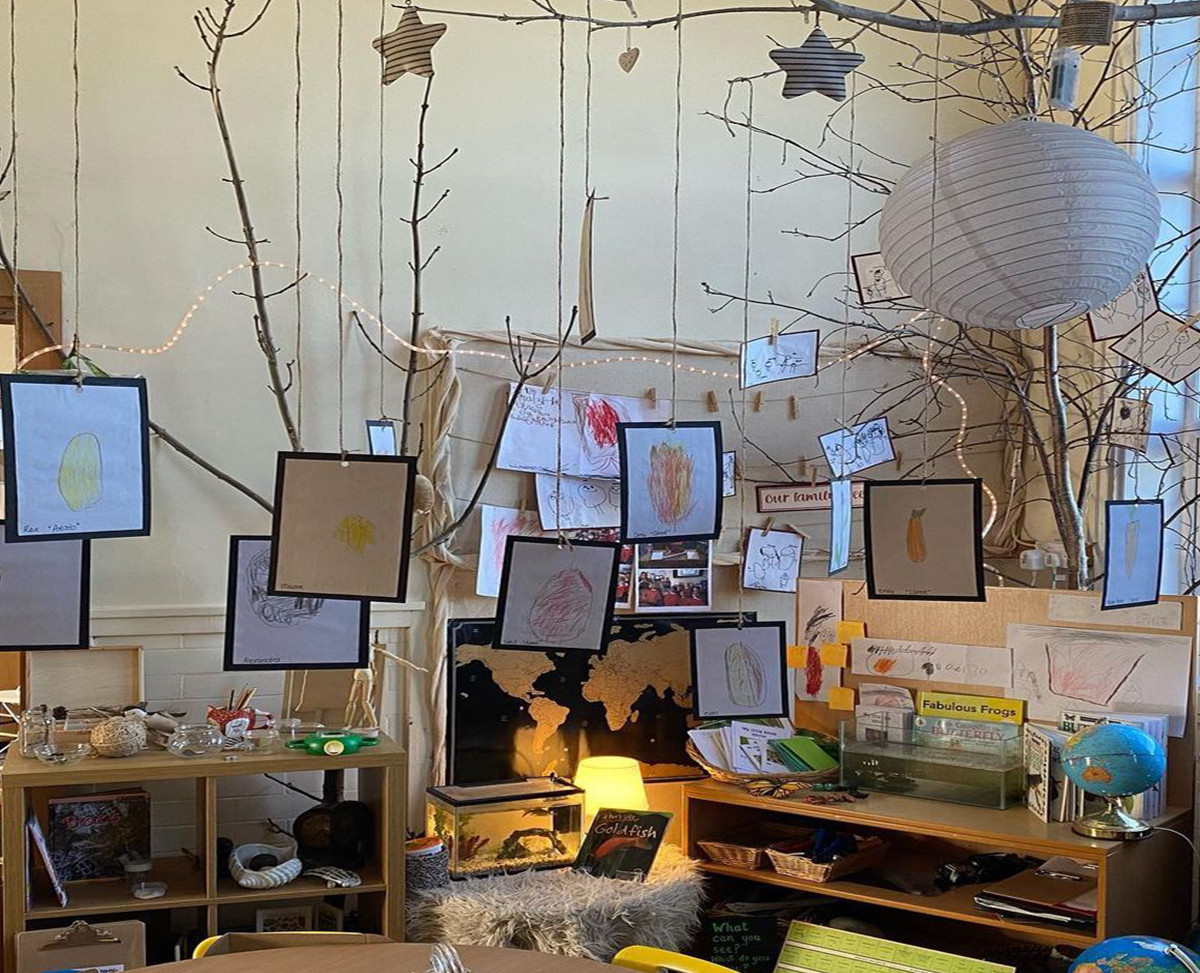
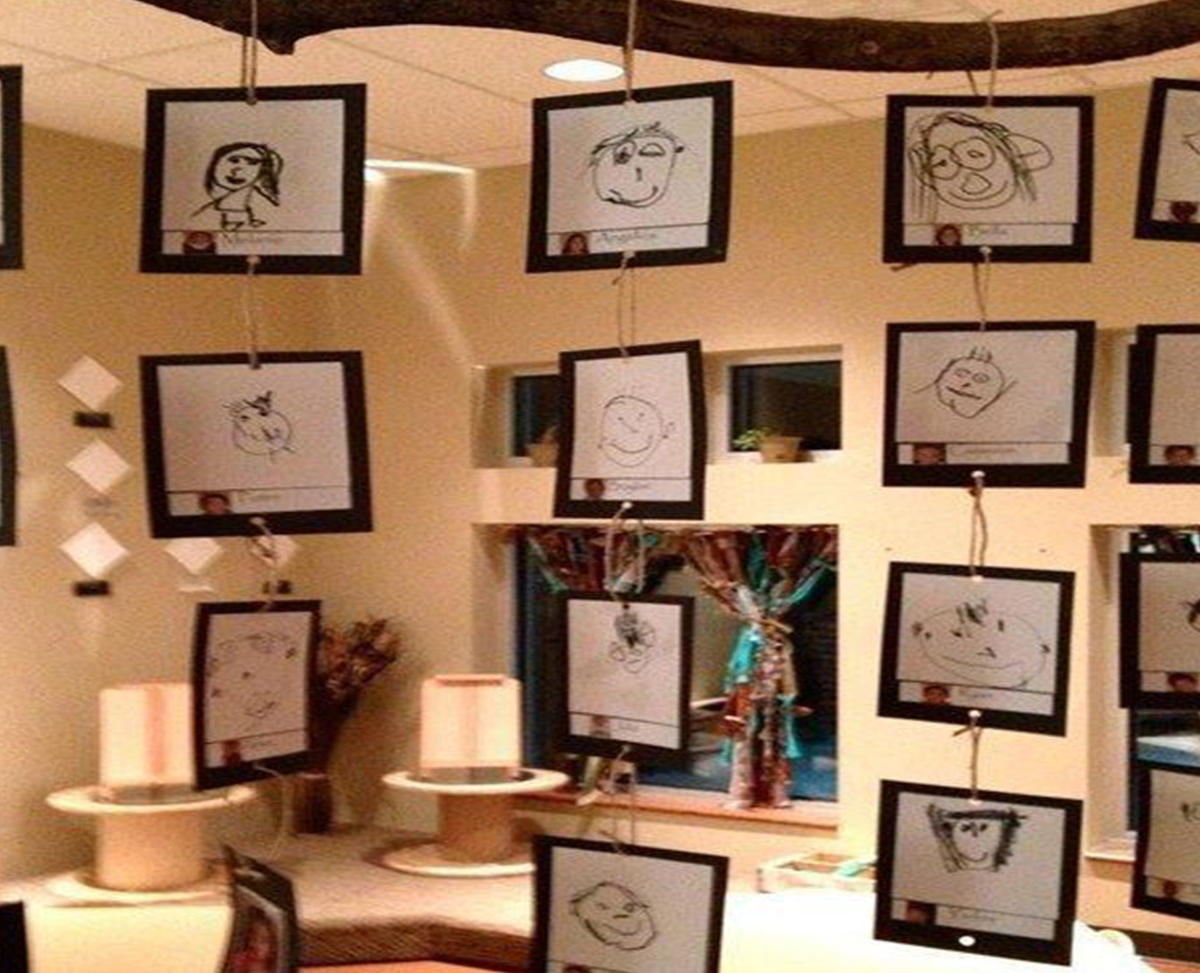
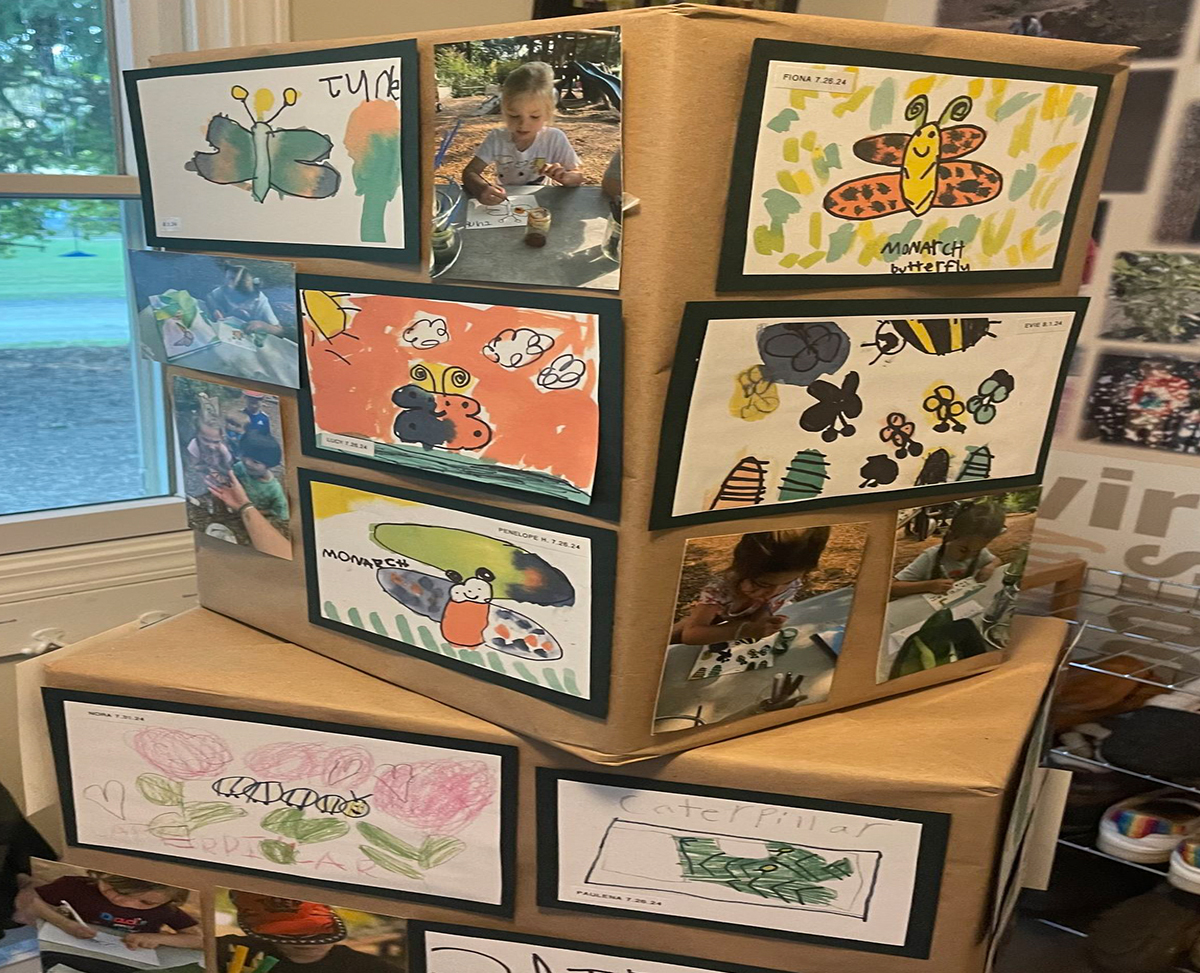
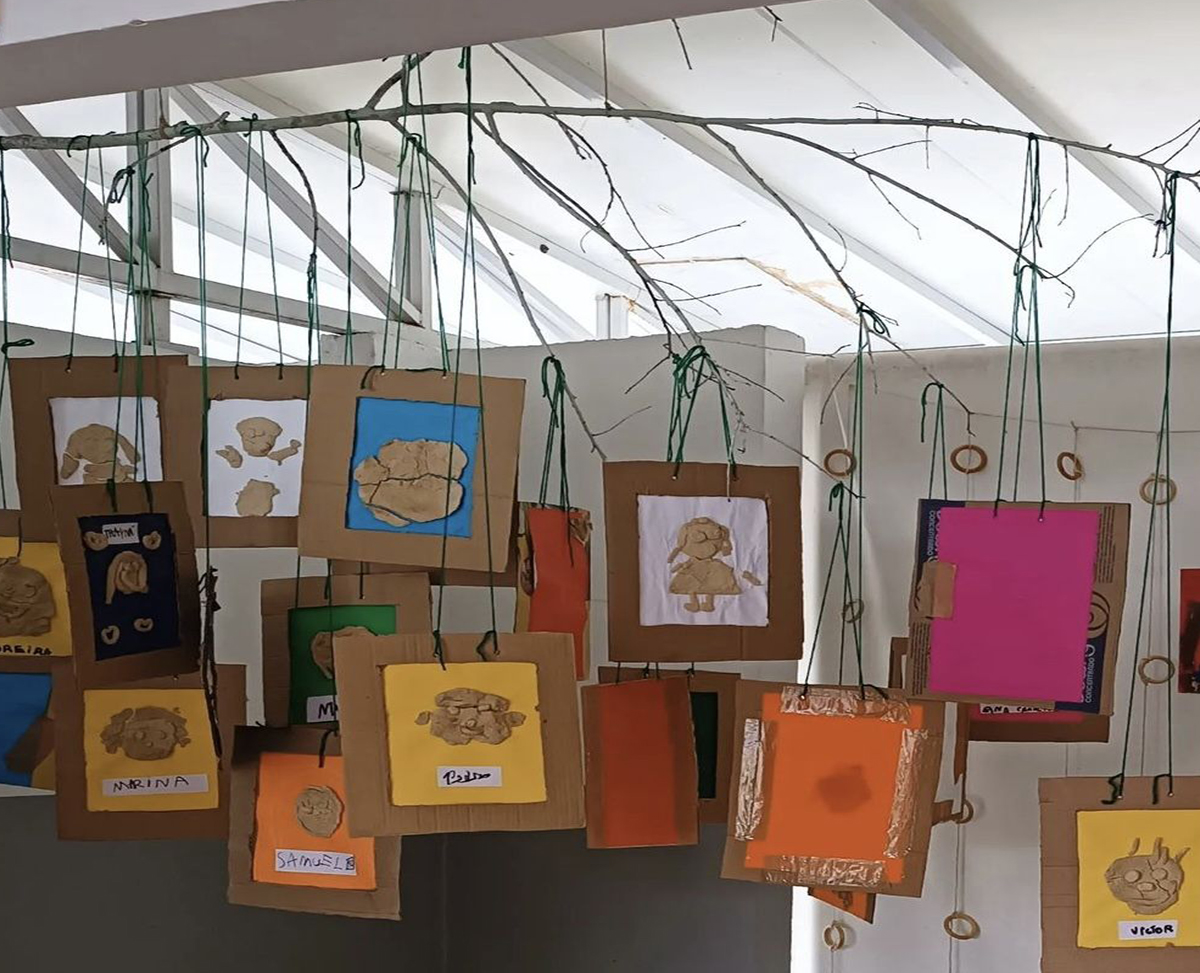
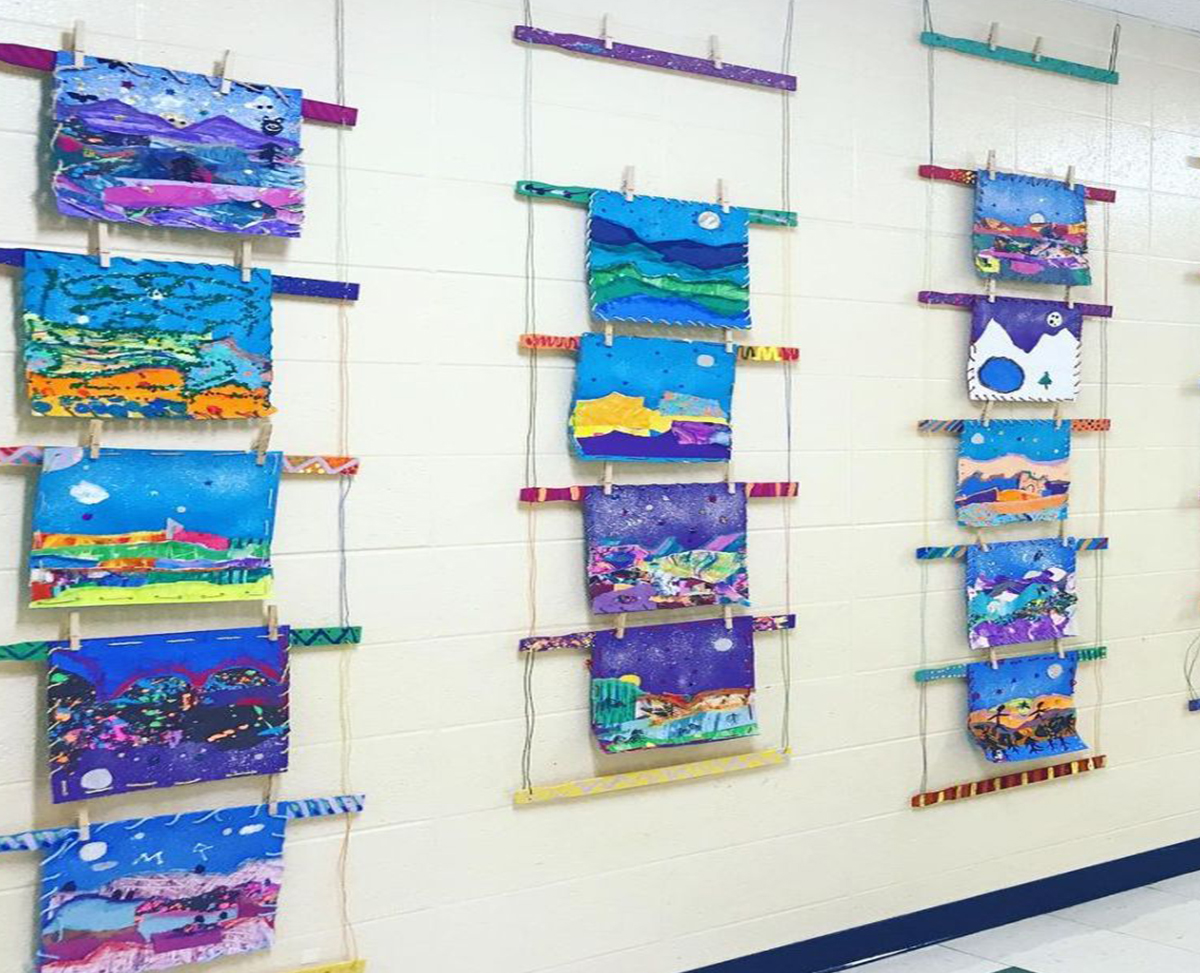
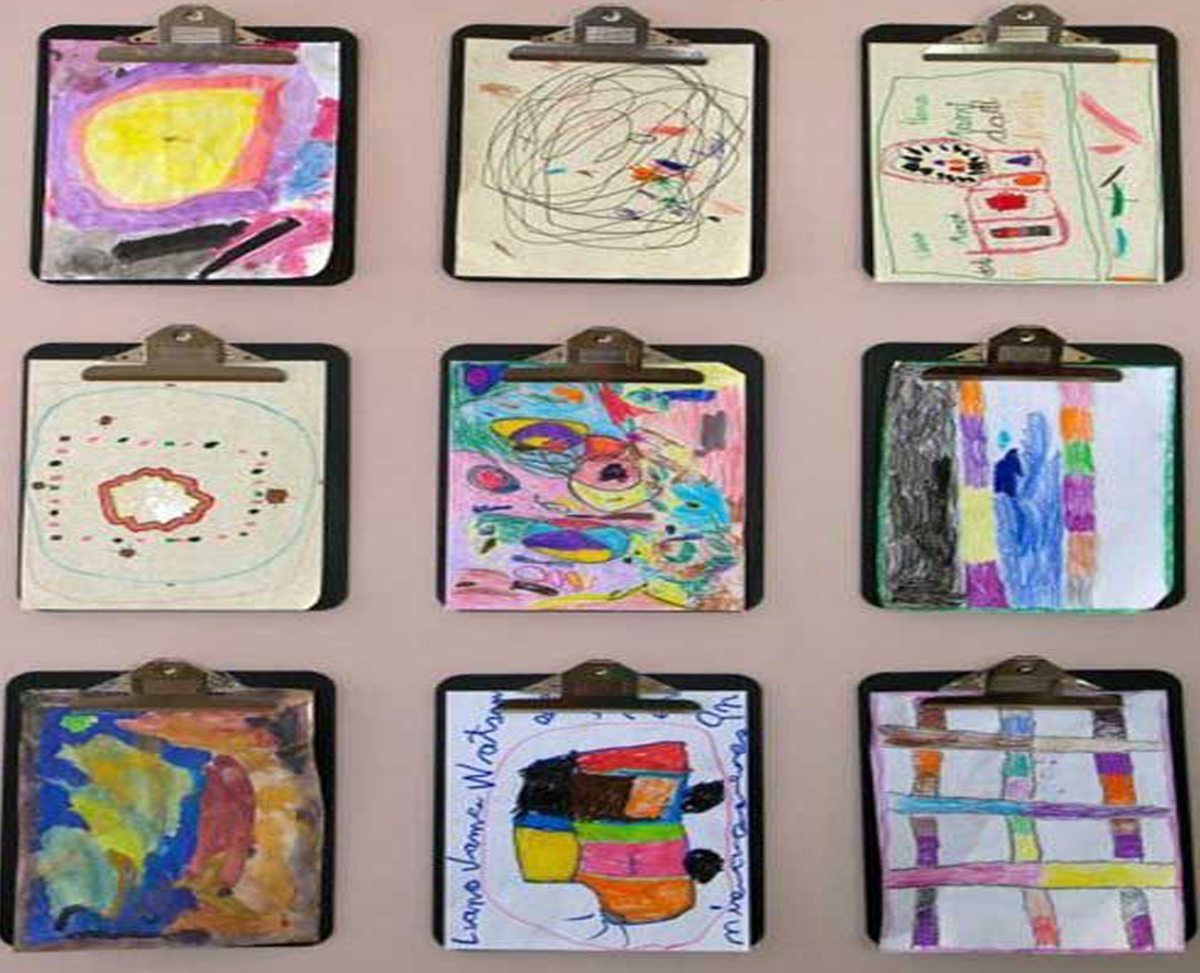
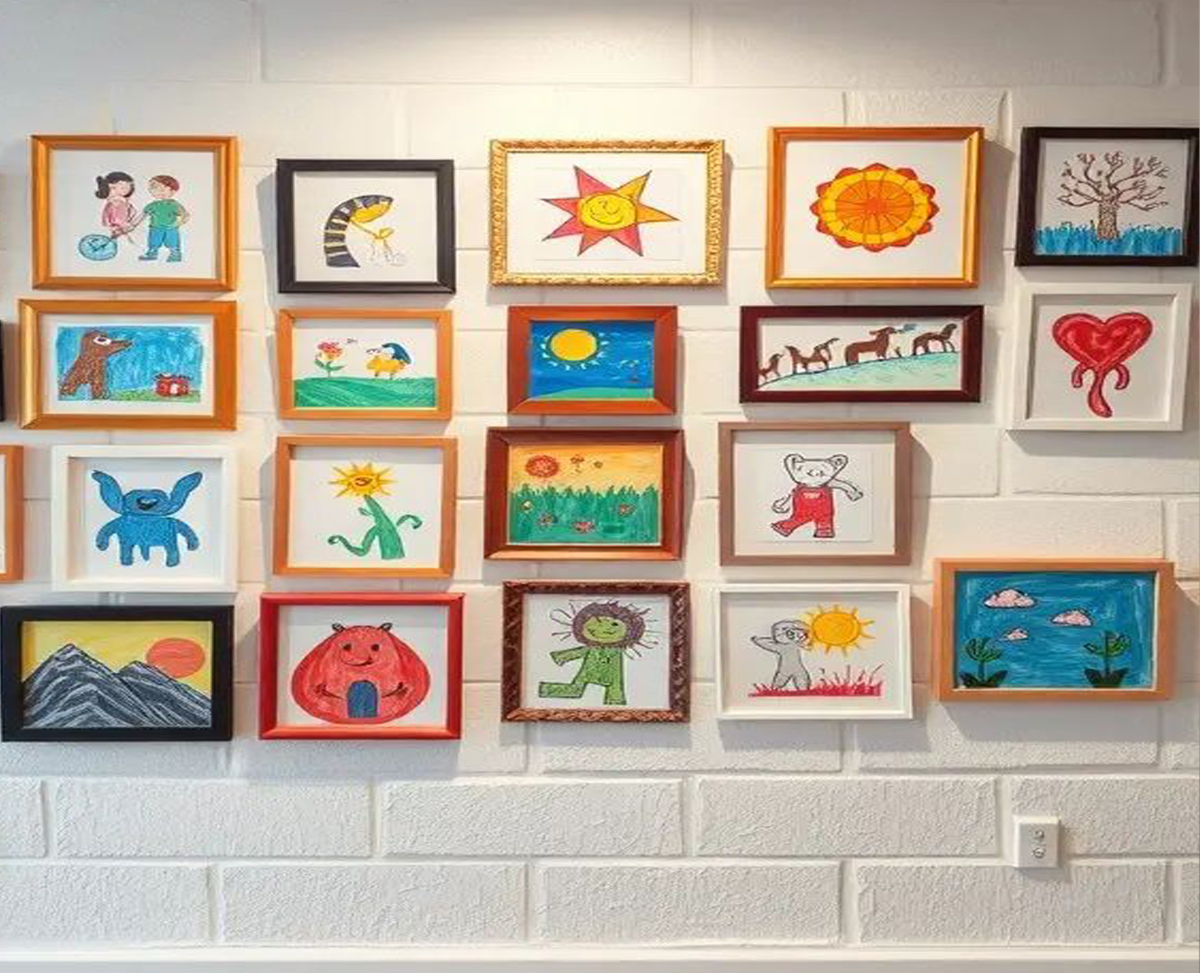
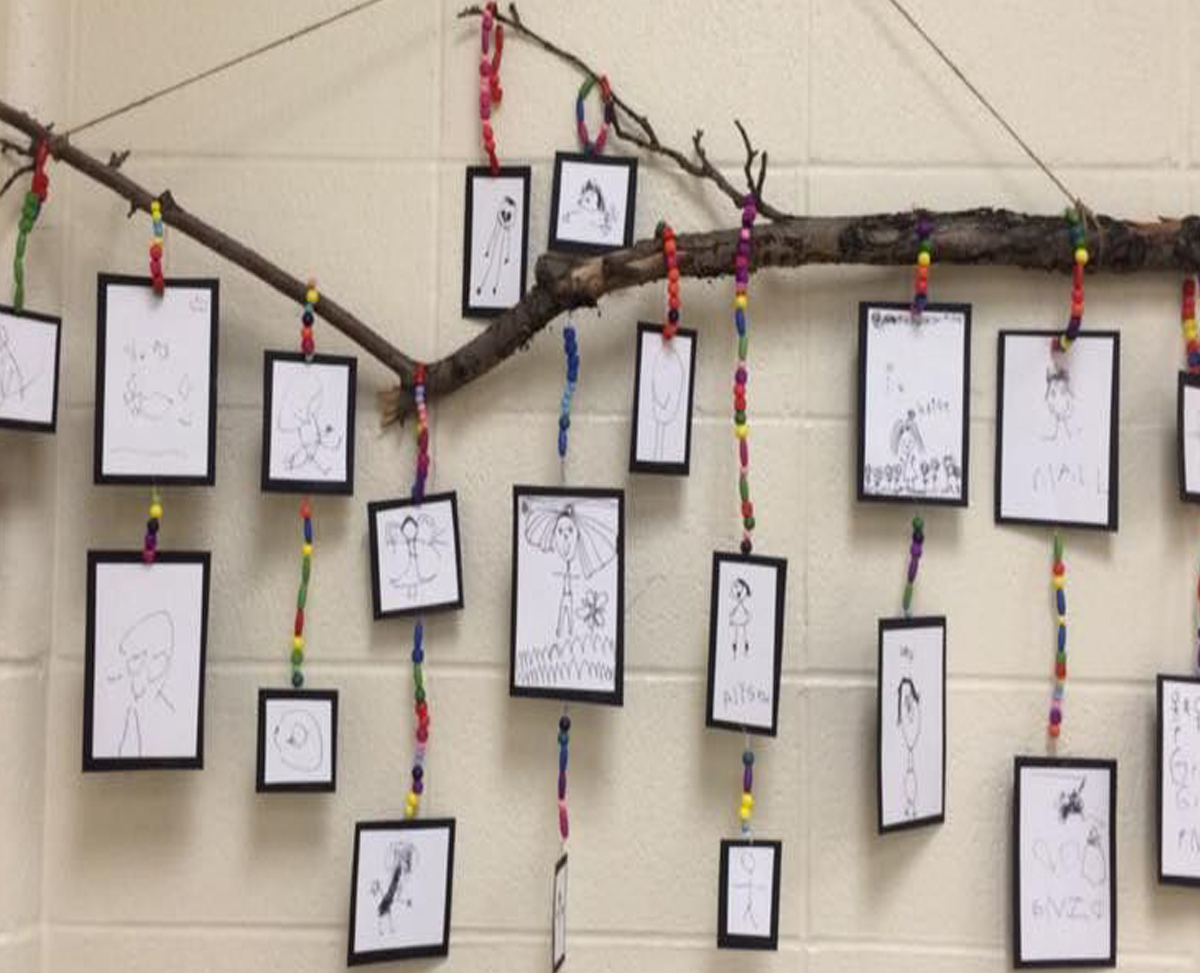
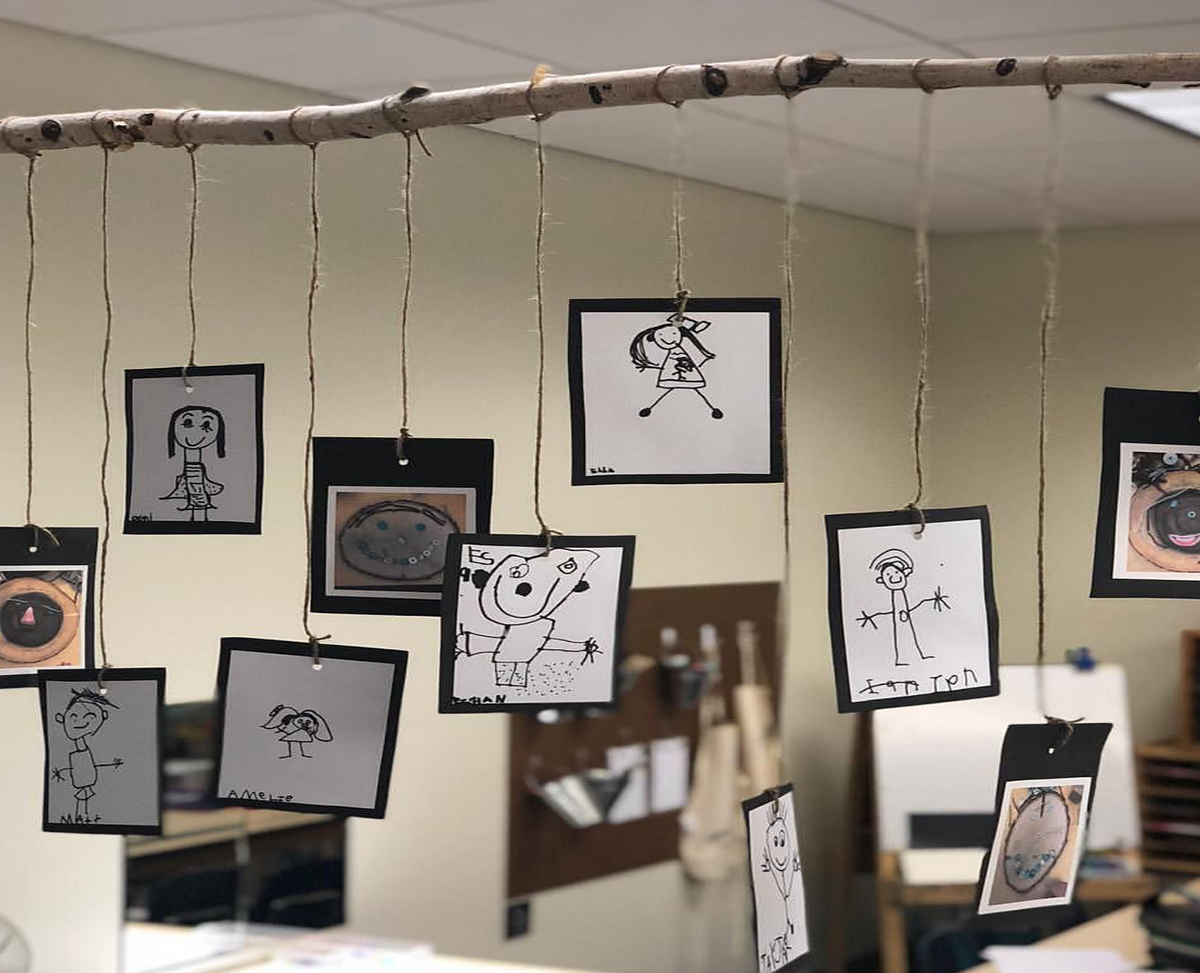
Linking to Curriculum Outcomes
- Belonging: Displays that include family photos or cultural art forms foster identity and community.
- Being: Emotion-focused displays highlight children’s present engagement and joy.
- Becoming: Sequential photo series show growth, persistence, and evolving skills.
Practical Tips for Educators
- Use clipboards, pegboards, or magnetic frames for flexible, low-cost rotation.
- Print photos in black-and-white to contrast with colorful artwork.
- Add QR codes linking to digital albums for families.
- Encourage children to label or caption their own work, embedding literacy.
Further Reading
Importance of Displaying Children's Artwork
Setting Up Displays In An Early Learning Environment
Showcasing Children's Work In Early Childhood Settings
Image References:
Image 1 - Nora Guadalupe, Pinterest
Image 2 - Belinda Bond, Pinterest
Image 3 - Rose McInnes, Pinterest
Image 4 - Katherine Ramirez, Pinterest
Image 5 - MowersLab | Home Decor & Gardening Tips, Pinterest
Image 6 - Annique Deysel, Pinterest
Image 7 - No Name, Pinterest
Image 8 - Portal do Morumbi, Pinterest
Image 9 - Debi Fagan, Pinterest
Image 10 - My Teaching Cupboard - Play Based - Teaching Resources, Pinterest
Image 11 - Rose McInnes, Pinterest