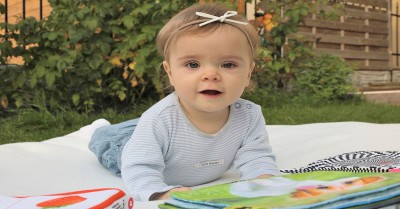
From the earliest months of life, babies thrive when given opportunities to experience the outdoors. Nature is not just a backdrop for play—it is a living classroom that nurtures physical strength, sensory exploration, emotional growth, and a deep sense of connection to the world. Outdoor play allows babies to move freely, discover textures, sounds, and sights, and begin forming bonds with their environment and the people around them.
For educators and families, planning outdoor play is about more than simply “taking babies outside.” It involves creating safe, stimulating spaces where babies can grasp, crawl, listen, and wonder. By offering open-ended materials, natural objects, and opportunities for social interaction, adults can scaffold experiences that support babies’ holistic development.
This guide explores outdoor play through the lens of Belonging, Being and Becoming—three dimensions that highlight how babies grow physically, emotionally, and socially in nature. Alongside practical strategies and safety considerations, it provides inspiration for educators and caregivers to design meaningful outdoor experiences that foster joy, resilience, and a lifelong respect for the environment.
Belonging – Building Connection to Place and People
Outdoor play nurtures babies’ sense of identity and belonging in their environment.
Strategies to try:
- Routine rituals like greeting the sun, trees, or garden before play.
- Family/community walks to reinforce shared connection.
- Photo recognition boards showing babies exploring outdoors.
- Group play moments where babies watch and imitate peers crawling, clapping, or babbling.
Educator Tip: Celebrate small discoveries (“You found a leaf!”) to foster wonder and belonging.
Being—Supporting Physical Growth
Outdoor play is the perfect arena for babies to practice free movement and strengthen their bodies.
Strategies to try:
- Mini obstacle paths with soft mats, low cushions, and safe ramps for crawling and climbing.
- Push-and-pull stations using prams, wagons, or sturdy crates with handles.
- Nature gym with logs, low ledges, and tree stumps for pulling up and balancing.
- Rolling play with large balls or soft cylinders to chase and crawl after.
Educator Tip: Narrate their movements (“You’re pulling yourself up!”) to reinforce body awareness and language development.
Becoming—Exploring Senses, Curiosity, and Emotion
Nature offers endless sensory experiences that shape babies’ cognitive and emotional growth.
Strategies to try:
- Texture baskets filled with safe natural items—smooth stones, crunchy leaves, soft feathers.
- Sound exploration with wind chimes, bamboo tubes, or shells that rattle in the breeze.
- Water and sand play in shallow trays with scoops, cups, and floating objects.
- Seasonal sensory play: crunching autumn leaves, smelling herbs in spring, splashing water in summer.
- Mirror play outdoors to reflect babies’ faces and the movement of trees above.
Educator Tip: Use descriptive language (“This stone feels smooth,” “The wind is blowing”) to scaffold vocabulary and emotional connection.
Safety – Creating Secure Outdoor Environments
Safety is essential for babies to thrive outdoors.
Strategies to try:
- Daily ground checks for hazards like sharp sticks or choking risks.
- Sun-smart play: shaded areas, hats, lightweight clothing, and morning/late afternoon sessions.
- Weather readiness: blankets or mats for cooler days, hydration for warmer weather.
- Safe boundaries with low fences or natural borders.
- Baby-safe first aid kit nearby with wipes, bandages, and infant-safe insect repellent.
Extra Enrichment Ideas
- Nature treasure hunts (baby version) with colorful scarves or safe natural items.
- Outdoor storytelling under a tree, linking stories to the environment.
- Music outdoors with drums, shakers, or rattles.
- Seasonal displays like flower pots in spring or leaf piles in autumn.
Further Reading
Practical Examples Of Anecdotal Record Observation For Babies
Writing Observations For Babies
Introducing Science To Babies
Programming and Planning For Babies
A Curiosity Approach In The Babies Room