
The home corner is more than a play space—it’s a mirror of children’s lived experiences and a stage for imagination, identity, and social learning. By re-enacting routines, caring for “family members,” and experimenting with roles, children build empathy, language, and problem-solving skills. For educators, the home corner is a window into children’s understanding of relationships, culture, and community.
Why It Matters
- Familiarity & Comfort: Children often gravitate to the home corner because it mirrors their everyday life. It offers a sense of security, especially during transitions or when everything feels new.
- Imaginative Play: It allows children to reenact familiar routines (cooking, cleaning, caring for babies) while also inventing new scenarios. This builds creativity and problem-solving skills.
- Social Development: Role-play fosters cooperation, negotiation, and empathy. Children learn to share roles, take turns, and understand perspectives.
- Language Growth: Everyday dialogue—“Can you make me tea?” or “I’ll be the baby”—helps expand vocabulary and communication.
- Cultural Identity: A well-resourced home corner can reflect diverse family structures, traditions, and routines, helping children see themselves represented.
Key Features of an Effective Home Corner
| Element | Why It’s Important | Examples |
|---|---|---|
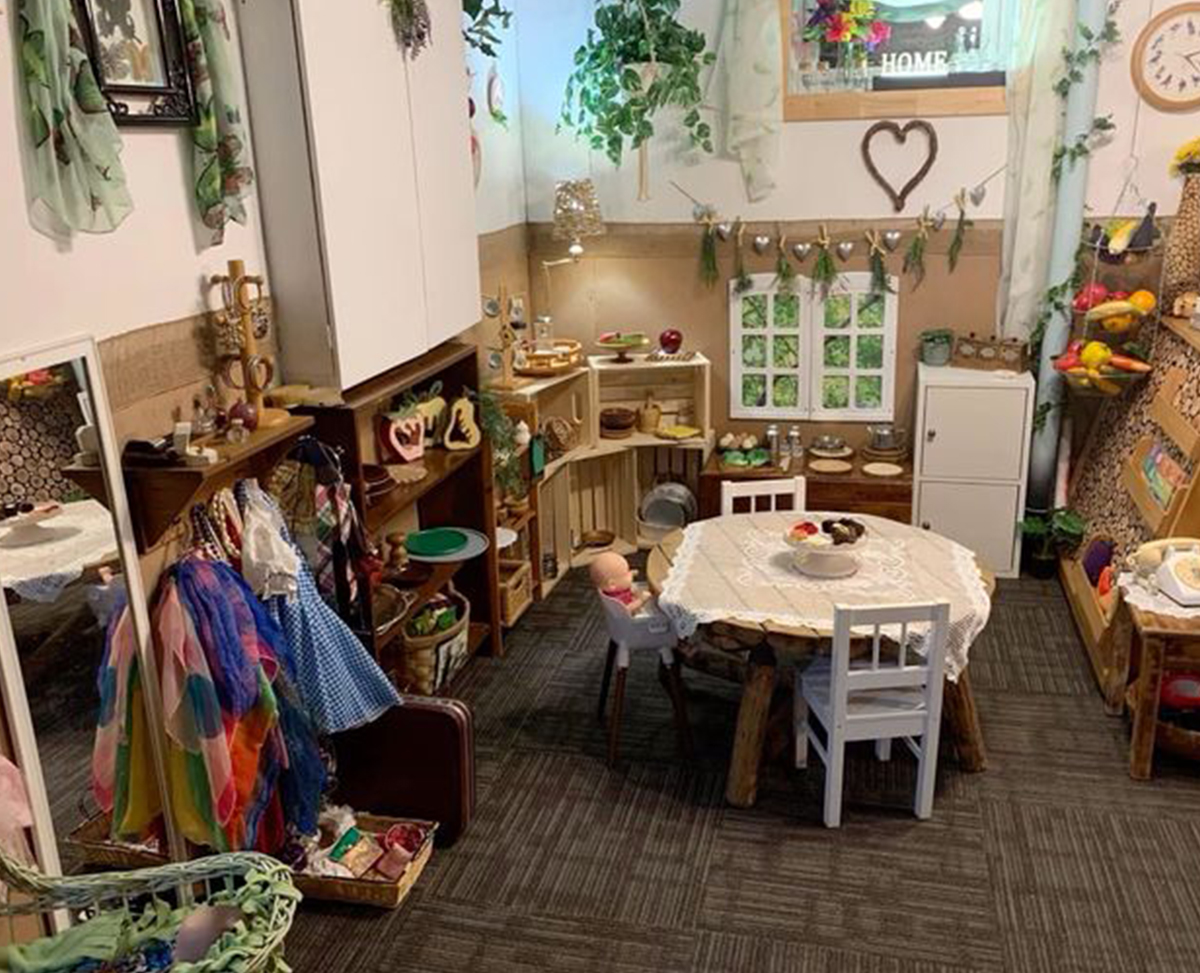
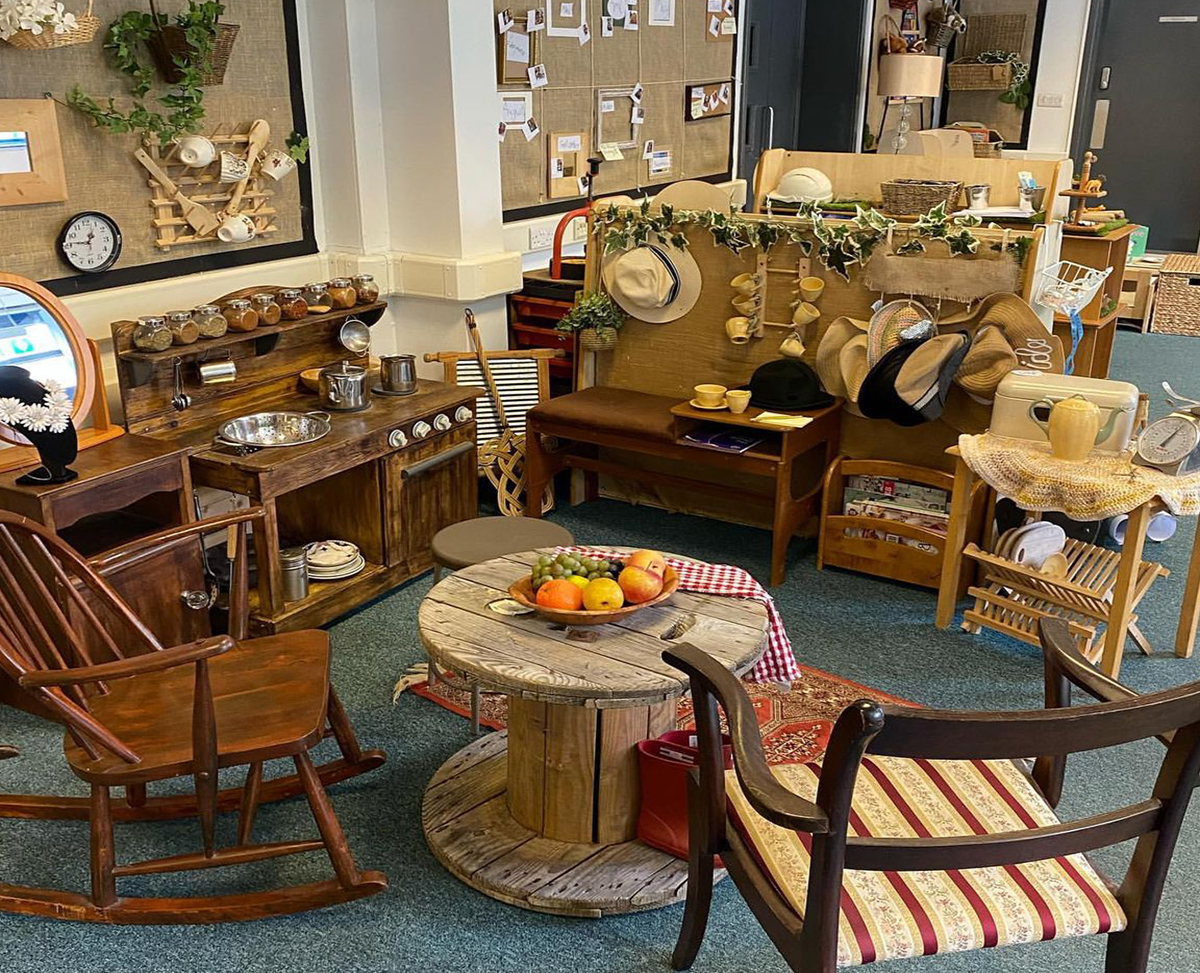
| Play Kitchen | Central to role play, encourages cooking and serving scenarios | Stove, sink, pots, pans |
| Soft Furnishings | Creates comfort and realism | Cushions, small table, chairs |
| Props & Accessories | Sparks imagination and extends play | Phones, shopping bags, food items |
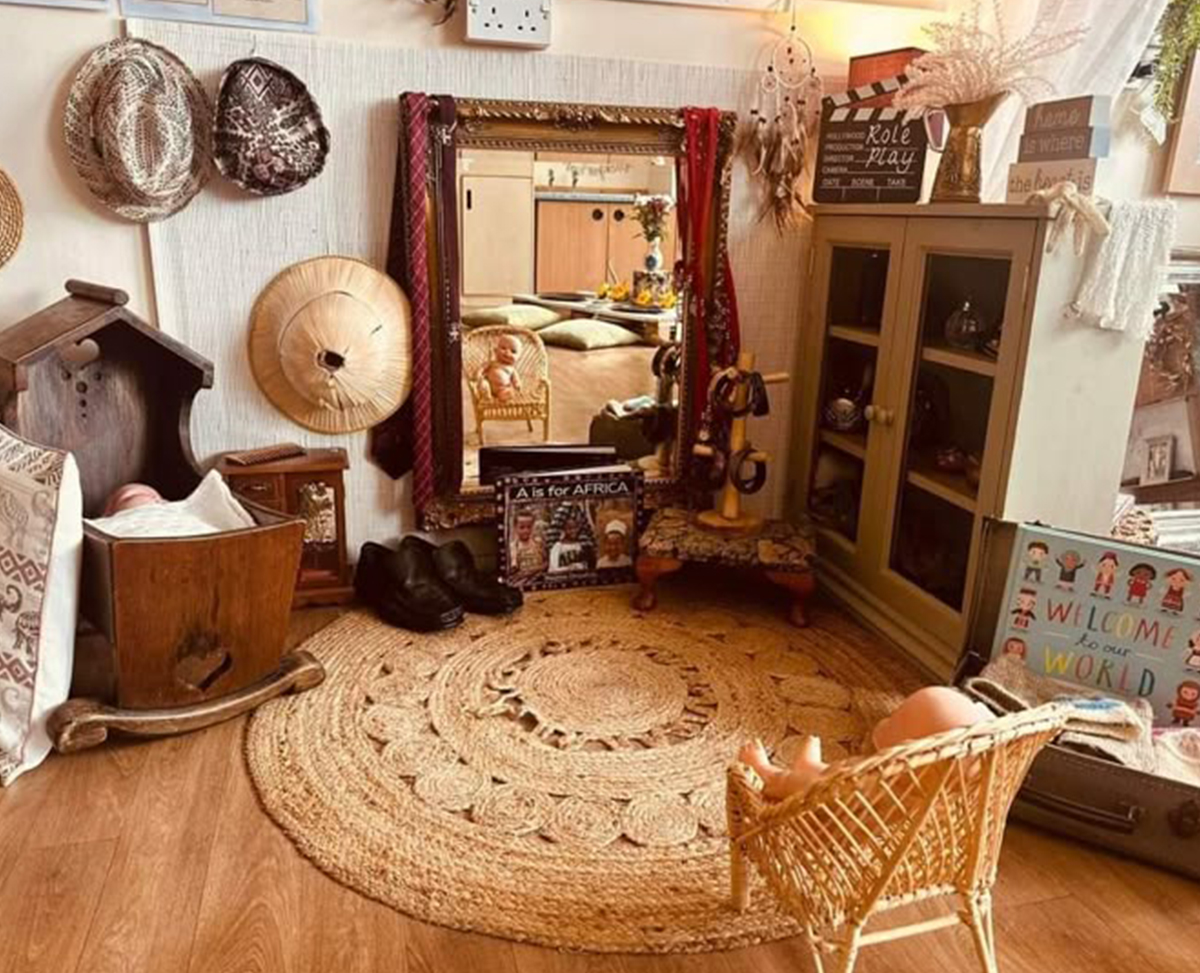
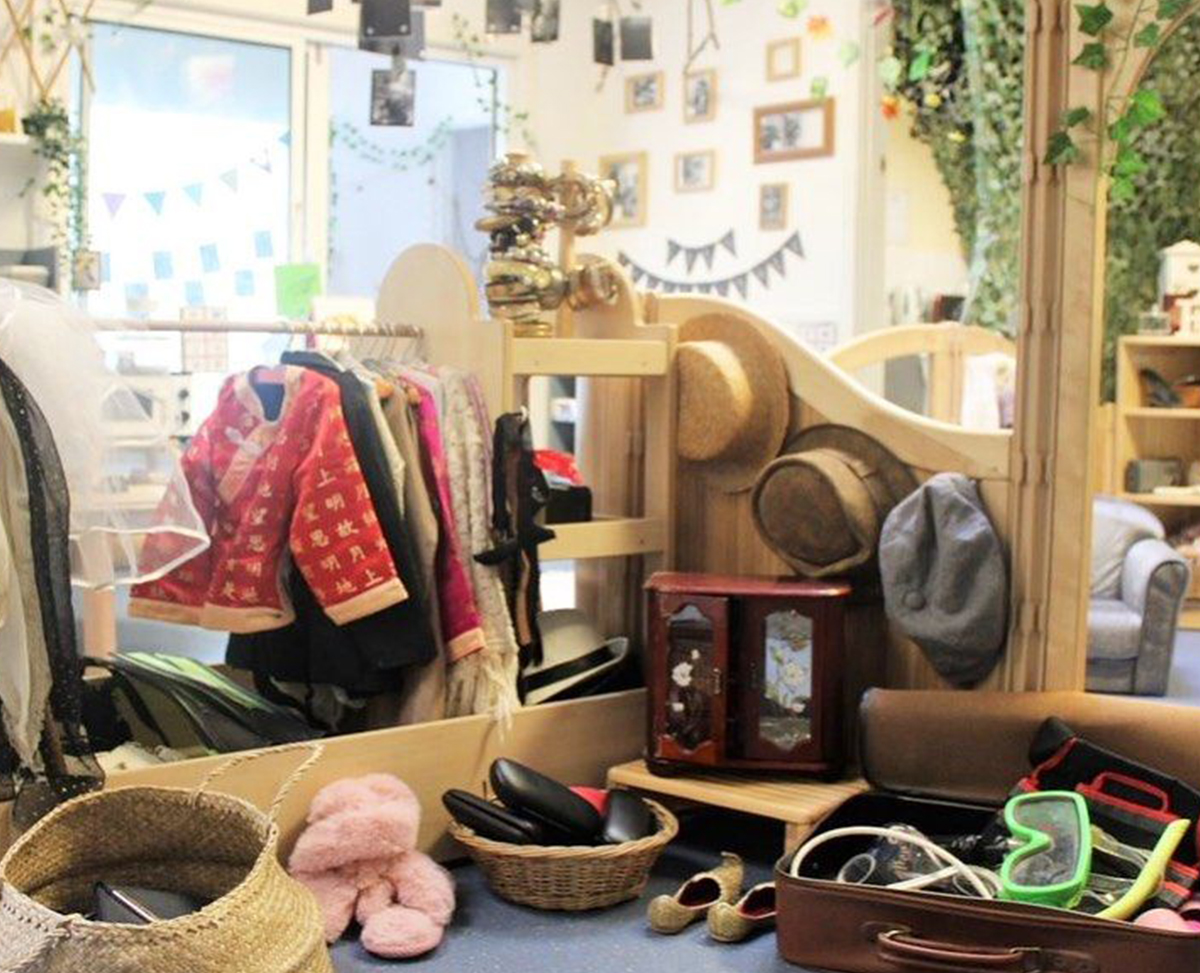
| Dress-Up Clothes | Supports role play and identity exploration | Aprons, scarves, hats |
| Cultural Representation | Promotes inclusion and belonging | Utensils, foods, fabrics from different cultures |
| Open-Ended Materials | Encourages creativity |
Cardboard boxes, recycled containers |
Practical Strategies for Educators
- Rotate Props Regularly
Keep play fresh by introducing seasonal items (picnic sets in summer, blankets in winter) or thematic props (menus, shopping lists, recipe cards). - Include Real-Life Materials
Add recycled containers, grocery catalogues, or cooking utensils to connect play with literacy and numeracy. - Reflect Diversity
Provide culturally inclusive items—different cooking tools, fabrics, or food models—to represent the families in your community. - Encourage Role Flexibility
Invite children to swap roles (parent, child, visitor, shopkeeper) to broaden their perspective and negotiation skills. - Link to Curriculum
Use the home corner to explore EYLF outcomes: identity (belonging), communication (being), and contribution (becoming).
Photo Ideas






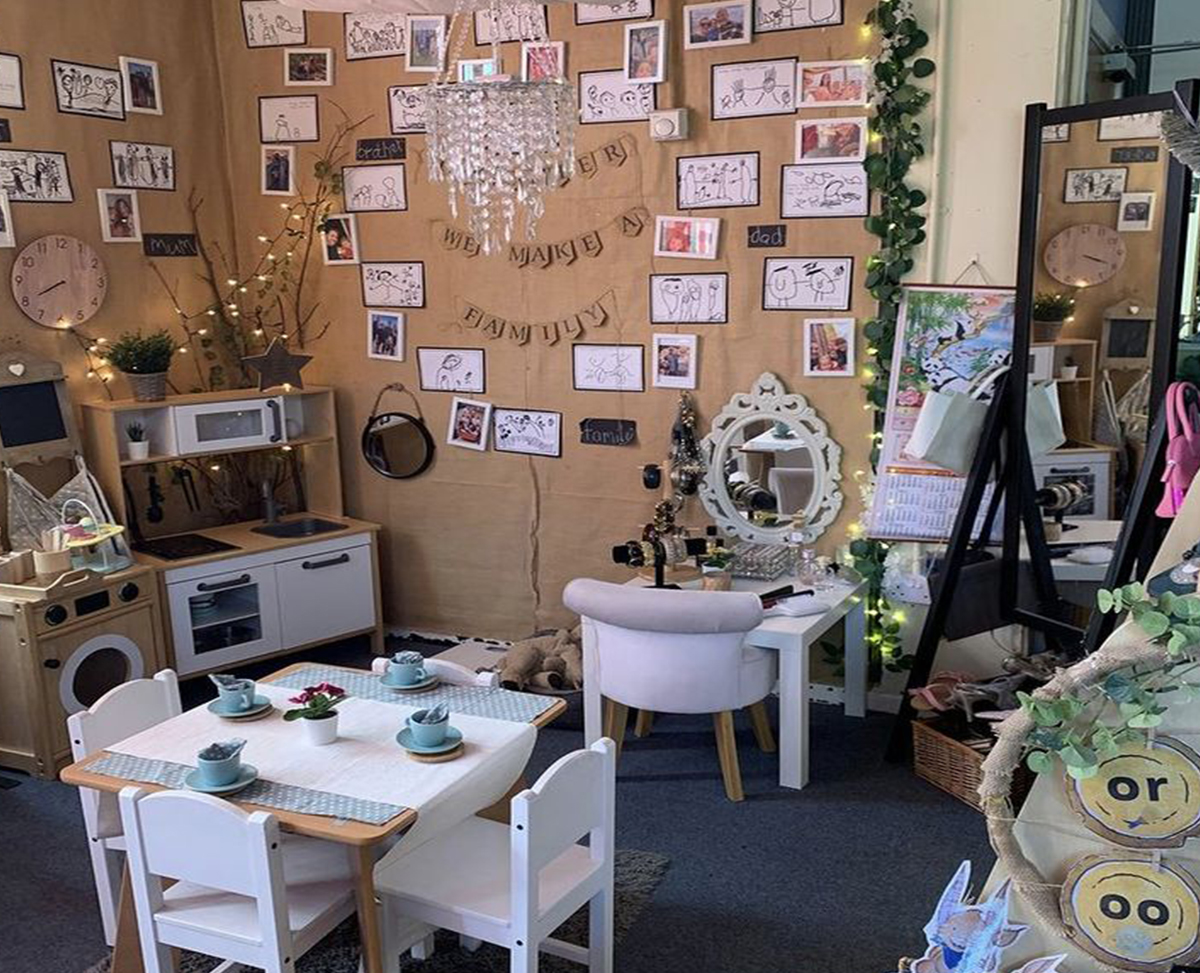
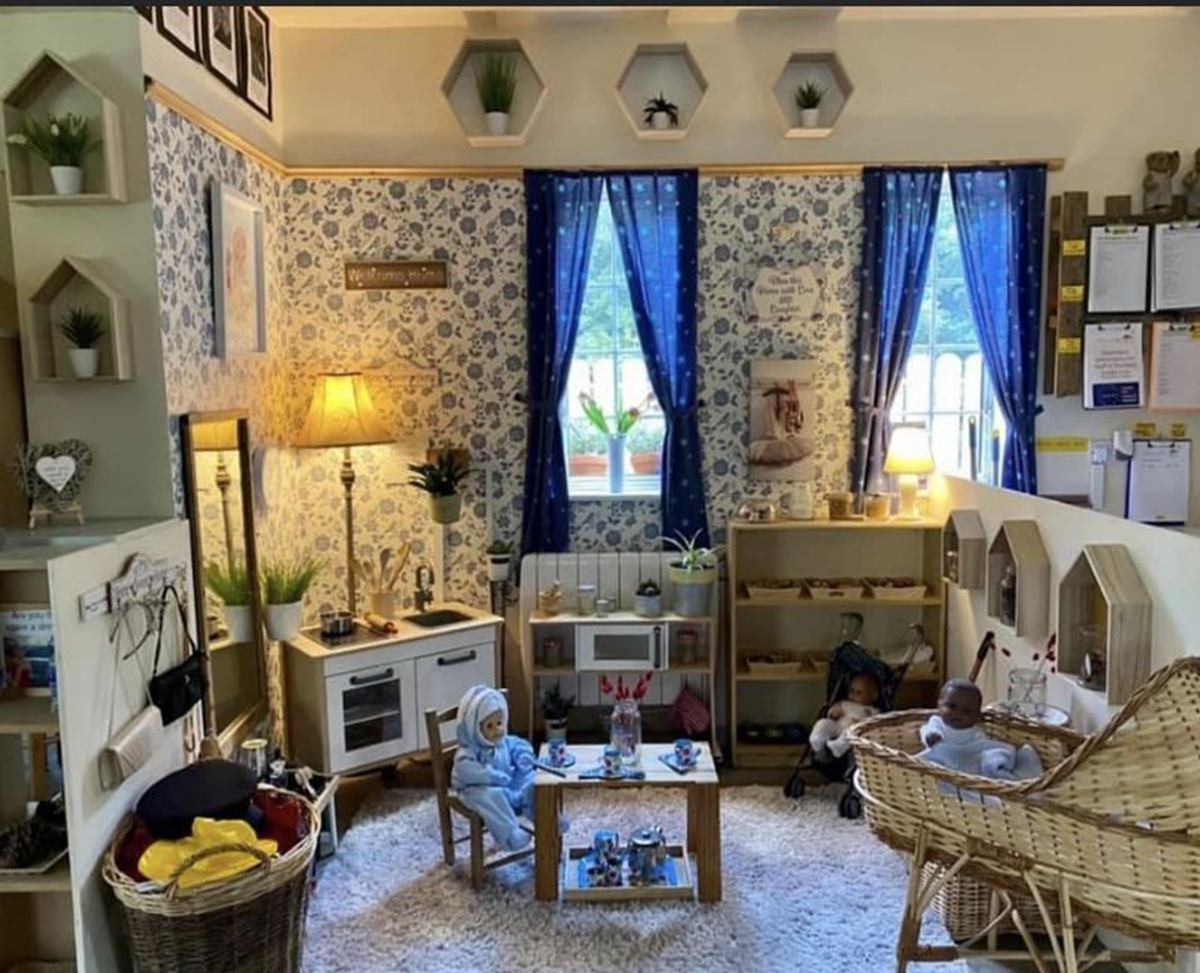


Hints for Extending Play
- Add Literacy Links: Place recipe cards, shopping lists, or “family diaries” in the corner.
- Numeracy in Action: Use play money, measuring cups, or timers to embed maths concepts.
- Community Connections: Transform the home corner into a café, doctor’s surgery, or post office to explore wider social roles.
- Sustainability Focus: Include reusable bags, compost bins, or pretend recycling stations to model eco-friendly practices.
Reflection Prompts for Educators
- How does the home corner reflect the diversity of families in your service?
- What language opportunities are emerging during role play?
- How can you scaffold children’s play to deepen empathy and cooperation?
- Are props and resources inclusive, sustainable, and representative of your community?
The home corner is a living curriculum space where children rehearse life, test ideas, and build relationships. With thoughtful design and intentional educator support, it becomes a powerful tool for identity, inclusion, and joyful learning.
Image Credits:
Image 1 - Marleen Roelofsen, Pinterest
Image 2 - Pre-K Printable Fun, Pinterest
Image 3 - GypseyDiva, Pinterest
Image 4 - Shauna Smith, Pinterest
Image 5 - Emma Garcia, Pinterest
Image 6 - Rose McInnes, Pinterest
Image 7 - Liz L., Pinterest
Image 8 - Marie S, Pinterest
Image 9 - Rose McInnes, Pinterest
Image 10 - Rose McInnes, Pinterest
Image 11 – Kirstine Beeley Planning For Potential, Pinterest
Image 12 - Rose McInnes, Pinterest
Image 13 - No Name, Pinterest
Image 14 - Tamara Ritenberg, Pinterest
Image 15 - Rose McInnes, Pinterest
Image 16 - Sylvie, Pinterest
Further Reading
Benefits Of Home Corner
Interest Areas In Childcare
How Pretend Play Supports Children's Learning
Incorporating Creative Play In The EYLF Learning Outcomes
Resources For Dramatic Play Centre