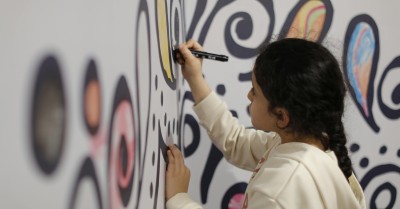
Displays are more than decoration, they shape how children and families feel in a space. Overly busy walls can overwhelm, while thoughtful, curated displays invite calm, belonging, and genuine connection. As educators, our role is to ensure displays reflect children’s voices, celebrate diversity, and communicate clearly with families, all while maintaining a soothing environment.
This guide offers principles, reflection prompts, and practical examples to help educators design displays that are purposeful, inclusive, and calming.
1. Purpose & Intent
- Principle: Every display should have a clear “why.”
- Reflection Prompt: What is this display meant to achieve celebration, information, belonging, or documentation?
- Practical Example: Instead of a wall filled with random art, create a “Our Learning Journey” panel showing one project from start to finish with photos, children’s quotes, and a short explanation.
2. Child-Centered Focus
- Principle: Displays should highlight children’s voices and perspectives.
- Reflection Prompt: Does this display celebrate children’s thinking or just decorate the room?
- Practical Example: Add speech bubbles with children’s words next to their drawings: “I made the sun big because it’s hot!” Families connect instantly with authentic language.
3. Calm & Inclusive Design
- Principle: Less is more neutral bases with natural textures reduce overstimulation.
- Reflection Prompt: Would a child or parent feel calm sitting near this wall?
- Practical Example: Use a soft fabric backdrop with three framed pieces of children’s art, spaced apart. Add a small plant nearby to soften the look.
4. Family Connection
- Principle: Displays should help families feel seen and included.
- Reflection Prompt: Does this display reflect the diversity of our families?
- Practical Example: Create a “Family Tree of Belonging” where each child adds a leaf with their family photo or home language word for “love.”
5. Rotation & Rhythm
- Principle: Displays should evolve intentionally, not constantly.
- Reflection Prompt: Does this display feel stable yet alive?
- Practical Example: Refresh a “Seasonal Changes” board once a month with children’s observations and photos of the outdoor environment, rather than changing everything weekly.
6. Mentoring Strategies
- Walk & Talk: Tour the room with staff and ask, “How might this feel for a child here? ”
- Checklist Tool: Provide a simple rubric: Calm - Child's voice - Family connection - Purpose clear
- Collaborative Reflection: Encourage staff to co-curate displays with children and families.
Quick Checklist for Educators
- Is the display clutter-free?
- Does it reflect children’s voices?
- Is it culturally inclusive?
- Does it feel calm and welcoming?
- Is the purpose clear to families?
Thoughtful displays are not about filling space; they are about creating environments where children feel calm, families feel welcome, and learning is celebrated authentically. By focusing on purpose, child voice, inclusivity, and rhythm, educators can transform walls into meaningful storytelling spaces rather than overstimulating backdrops.
Displays should breathe, evolve, and connect. When educators approach them with care, they become more than decoration; they become living reflections of belonging, growth, and community.
Further Reading
Critical Reflection Questions For Room Displays
Setting Up Displays In An Early Learning Environment
Designing A Documentation Wall
Room Ideas - Wall Displays and Areas