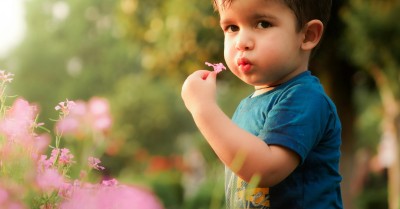
In early childhood, the playground is more than a place to play; it's a living classroom. Caring for Country invites children to see the land as a friend, not just a space. Through simple, sensory experiences, educators can nurture respect for nature and embed Aboriginal and Torres Strait Islander perspectives in everyday play.
What “Caring for Country” Means
- Caring for Country is a First Nations concept that recognises the deep relationship between people and the environment.
- It teaches stewardship, gratitude, and reciprocity caring for the land that cares for us.
- In early learning, this translates to noticing, naming, and nurturing the natural world around children.
Playground Practices That Honour Country
| Focus Area | Practical Ideas | Learning Outcome |
|---|---|---|
| Outdoor Play | Create a “Nature Guardians” routine—children water plants, collect leaves, and tidy play spaces. | Builds responsibility and connection. |
| Art & Sensory | Use natural materials (sand, bark, and stones) in art. Discuss textures and colours found in Country. | Encourages observation and creativity. |
| Storytelling Circle | Read Somebody’s Land or Welcome to Country and talk about caring for the earth. | Promotes empathy and cultural awareness. |
| Science Corner | Explore patterns in nature — shells, leaves, and insects. | Fosters curiosity and respect for biodiversity. |
| Music & Movement | Sing Reconciliation songs with rhythm sticks or clapsticks. | Connects rhythm, culture, and community. |
Extension Ideas
-
Seasonal Observation Walks Take children outside to notice seasonal changes (rain, blossoms, bird calls). Record observations with drawings or photos. EYLF Outcome 4: Children are confident and involved learners.
-
Mini Bush Tucker Garden Plant herbs or native edible plants in pots. Children help water and taste when safe. EYLF Outcome 2: Children connect with and contribute to their world.
-
Animal Tracks Exploration Use sand trays or mud patches to make footprints with toy animals. Discuss how animals live on Country. EYLF Outcome 5: Children are effective communicators.
-
Respect Rituals Begin outdoor play with a short “thank you Country” chant or gesture. EYLF Outcome 1: Children develop a sense of identity.
-
Loose Parts Nature Play Provide sticks, stones, shells, and leaves for building and imaginative play. EYLF Outcome 3: Children have a strong sense of well-being.
-
Storytelling Under a Tree: Gather children outdoors for First Nations picture books or oral stories. EYLF Outcome 5: Children engage with texts and storytelling.
-
Eco‑Helpers Role Assign children as “Eco‑Helpers” to check bins, water plants, and care for the garden. EYLF Outcome 2: Children become socially responsible.
Educator Reflection Prompts
- How do we model respect for nature in our daily routines?
- Are children encouraged to notice changes in the environment?
- How can we include local Aboriginal perspectives in our outdoor program?
Family Engagement
Invite families to share stories or photos of their favourite outdoor places. Display them alongside children’s artwork under a banner: “We Care for Country Together.”
When children learn to care for the land beneath their feet, they begin to understand reconciliation not as a word but as a way of living together, gently and with gratitude.
Further Reading
Modifying Play Spaces To Incorporate Aboriginal and Torres Strait
How to Embed Indigenous Perspectives Respectfully and Safely
Outdoor Experiences in Sustainability and Aboriginal Culture
Activities, Crafts, Songs and Resources For Children