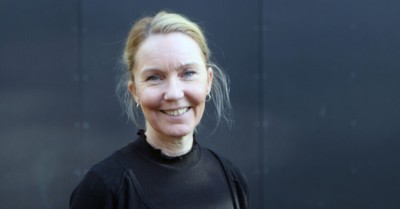
Ellen Beate Hansen Sandseter is a Norwegian researcher and professor at Queen Maud University College of Early Childhood Education. She is internationally recognized for her work on risky play in early childhood, highlighting how safe risk-taking supports children’s confidence, resilience, and wellbeing. Sandseter challenges overprotective practices in schools and families, arguing that shielding children from risk can hinder their development.
Biography
- Nationality: Norwegian
- Current Role: Professor of Early Childhood Education, Queen Maud University College, Trondheim, Norway
- Research Focus: Risky play, outdoor play environments, children’s wellbeing
- Influence: Her work has shaped global debates on playground design, safety standards, and early childhood pedagogy.
Theories of Ellen Beate Hansen Sandseter
1. Risky Play
Children benefit from engaging in activities that involve uncertainty, challenge, and manageable risk.
Risky play in child development refers to children’s engagement in play activities that involve uncertainty, challenge, and the possibility of minor injury—but within safe boundaries. Research led by Ellen Beate Hansen Sandseter shows that risky play is essential for building resilience, confidence, and risk-assessment skills.
2. Categories of Risky Play
Ellen Beate Hansen Sandseter’s research identifies six core categories of risky play in child development. These categories highlight the types of challenges children naturally seek out, which help them build resilience, confidence, and risk-assessment skills.
Sandseter identified six main types:
- Play at great heights (climbing, balancing)
- Play at high speed (running, cycling, sliding)
- Play with dangerous tools (sticks, hammers, ropes)
- Play near dangerous elements (water, fire)
- Rough-and-tumble play (wrestling, chasing)
- Play where children can “disappear” or explore alone
3. Developmental Benefits
Risky play fosters resilience, confidence, risk assessment skills, and physical competence.
Risky play in child development is about children engaging in play that involves uncertainty, challenge, and manageable risk. Far from being dangerous, it is a natural and essential part of growth. Research by Ellen Beate Hansen Sandseter shows that risky play helps children develop resilience, confidence, and important life skills.
-
Confidence Building
-
Children learn to trust their abilities when climbing, balancing, or running at speed.
-
Success in challenges boosts self-esteem.
-
-
Risk Assessment Skills
-
By testing limits, children learn to judge what is safe and what is too dangerous.
-
Builds decision-making and self-regulation.
-
-
Resilience Development
-
Trial-and-error teaches persistence.
-
Children learn to cope with small failures and bounce back.
-
-
Physical Competence
-
Activities like climbing, running, and rough-and-tumble play strengthen motor skills.
-
Improves balance, coordination, and strength.
-
-
Social Skills
-
Group risky play (wrestling, chasing) teaches cooperation, negotiation, and empathy.
-
Children learn boundaries and respect for others.
-
-
Emotional Growth
-
Managing fear and excitement helps children regulate emotions.
-
Builds courage and adaptability.
-
4. Challenge to Overprotection
Overly safe environments can limit children’s ability to learn self-regulation and risk management.
Overprotective practices in child play refer to adult behaviors, policies, or environments that excessively restrict children’s opportunities to engage in challenging or risky play. While intended to keep children safe, these practices can unintentionally limit their development.
What Are Overprotective Practices?
-
Excessive Supervision: Constant adult intervention that prevents children from testing their limits.
-
Eliminating Risky Equipment: Removing climbing structures, swings, or tools due to fear of injury.
-
Restricting Outdoor Play: Limiting time outside due to safety concerns.
-
Discouraging Rough-and-Tumble Play: Preventing wrestling, chasing, or physical play.
-
Fear of Independence: Not allowing children to explore alone, even in safe environments.
Applying Sandseter’s Theories in Early Childhood Settings
- Outdoor Risk Zones: Create safe but challenging areas (climbing structures and balance beams).
- Tool Use Activities: Supervised use of child-safe tools to build confidence.
- Rough-and-Tumble Play: Allow physical play with clear boundaries.
- Exploration Freedom: Provide opportunities for children to explore independently.
- Risk Reflection: Encourage children to talk about risks and how they managed them.
- Balance freedom with supervision.
- Use risk-benefit assessments instead of eliminating challenges.
- Communicate with parents about the value of risk-taking.
- Document children’s progress in confidence and resilience.
Ellen Beate Hansen Sandseter’s research reframes risk as a necessary part of childhood development. By challenging overprotective practices, she empowers educators to create environments where children can safely test limits, build resilience, and develop essential life skills.
Further Reading
Child Theorists and Their Theories in Practice
Linking Theories To The EYLF
Applying Early Learning Theories