Print this page

Puffy Paint

  • Written by 

From: Aussie Childcare Network

Puffy Paint

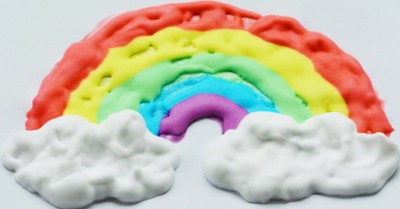
Puffy Paint is a fun preschool art activity, perfect for sensory play, STEM exploration, and creative learning with fluffy textured paint.

Materials Needed

  • 3/4 cup shaving cream
  • 1/4 cup white glue 
  • 1/4 cup flour

What to do

  • Mix all ingredients together until completely combined.
  • Putting your puffy paints in a squeeze bottle works/or mix in bowls to use with paintbrushes. 

Hints and Tips

  • Add puffy paint into Ziploc bags for children to squeeze to paint. 
  • Add more glue if necessary to change the consistency. 
  • If it's too thick, add water. 
  • Needs air to dry. 

Extension Ideas

  • Science exploration: Compare textures by mixing different ratios of shaving cream, glue, and flour. Discuss why the paint “puffs” when dry.
  • Colour mixing: Encourage children to blend colours in their puffy paint to observe new shades.
  • Math connections: Use measuring spoons and cups to reinforce concepts of volume and proportion.
  • Fine motor practice: Children can use brushes, droppers, or fingers to apply paint, strengthening hand muscles.
  • 3D art projects: Create raised artwork like flowers, animals, or letters that dry with texture.
  • Sensory collages: Combine puffy paint with fabric scraps, sequins, or sand for multi‑sensory art.
  • Seasonal themes: Make snowflakes in winter, blossoms in spring, or fireworks for celebrations.
  • Storytelling art: Children illustrate a story page with textured paint to bring characters to life.

Additional Info

  • Appropriate Age: 3 year+
  • Number of Children: Individual (1)
  • Developmental Milestones:
    • Problem solving: Encourage children to experiment with different ingredient ratios and observe how texture changes.

    • Cause and effect: Ask children what happens when the paint dries and “puffs up.”

    • Fine motor strengthening: Using brushes, droppers, or fingers builds hand muscles and coordination.

    • Hand‑eye coordination: Children carefully apply paint to specific areas of paper or shapes.

    • Descriptive vocabulary: Introduce words like “fluffy,” “sticky,” “smooth,” “raised.”

    • Storytelling: Children narrate what their textured art represents (e.g., “This is a fluffy cloud”).

    • Collaboration: Group mural projects foster teamwork and shared creativity.

    • Confidence building: Display finished artwork in a “puffy paint gallery” to celebrate achievements.

  • Play Based Learning: Sensory Play, Manipulative Play, Creative Play
  • Interest Areas: Art and Craft
  • Games Categories: Art and Craft
  • EYLF Outcomes: Learning Outcome 4, Learning Outcome 5
  • Sub Outcomes:

    4.3 Children transfer and adapt what they have learned from one context to another.

    5.3 Children express ideas and make meaning using a range of media

Printed from AussieChildcareNetwork.com.au