Print this page

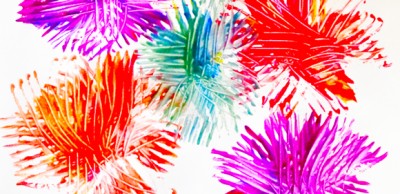
Fork Print Fireworks

  • Written by 

From: Aussie Childcare Network

Fork Print Fireworks

Create dazzling fork-print fireworks—fun, low‑cost art that builds fine‑motor skills, creativity, and festive classroom celebrations.

Materials Needed:

  • Plastic forks
  • Different coloured paints
  • A4 paper

What to do:

  • Dip a fork in paint colour and ensure it's covered in paint.
  • Press the fork on the piece of paper in different directions to create fireworks.
  • The fireworks fork prints are now ready. 

Hints and Tips:

  • Add glitter to make it sparkly.
  • Use multicolours.
  • Use black paper and neon colours to make the fireworks pop.

Extension Of Learning

  • Colour mixing exploration: Provide primary colours and let children experiment with blending before stamping.
  • Different tools: Swap forks for combs, sponges, or brushes to compare textures and prints.
  • Large‑scale mural: Encourage collaborative stamping on butcher’s paper to extend gross motor use.
  • Pattern sequencing: Challenge children to create repeating colour or shape sequences.
  • Math links: Count fork prints, compare sizes, or group by colour for early numeracy.
  • Science link: Discuss fireworks as light energy, linking art to STEM concepts.
  • Storytelling: Invite children to narrate what their fireworks celebrate (festivals, birthdays, New Year).
  • Vocabulary building: Introduce descriptive words like "burst", "sparkle", and "explosion", and encourage use in sentences.
  • Shared reflection: Children present their artwork to peers, practising verbal communication.
  • Cultural connections: Link fireworks to Diwali, Lunar New Year, or local festivals, building cultural awareness.
  • Group collaboration: Small groups create themed fireworks displays together, fostering teamwork.
  • Confidence building: Display artworks in a “gallery walk” to celebrate achievements.

Additional Info

  • Appropriate Age: 3 year+
  • Number of Children: Individual (1)
  • Developmental Milestones:
    • Hand strength: Holding and pressing the fork builds grip and muscle control.

    • Coordination: Aligning fork prints with paint requires hand‑eye coordination.

    • Dexterity: Repeated stamping improves finger control and precision.

    • Pattern recognition: Children notice shapes and repetition in the fireworks.

    • Cause and effect: They learn pressing the fork creates a print.

    • Creativity: Choosing colours and designs fosters imagination.

    • Descriptive vocabulary: Talking about “bright,” “round,” or “sparkly” fireworks expands word use.

    • Expressive language: Sharing their artwork helps children explain ideas.


    • Confidence: Completing a colourful print boosts self‑esteem.

    • Sharing: Group art sessions encourage cooperation.

    • Celebration awareness: Fireworks link to cultural events, building social context.

  • Play Based Learning: Exploratory Play, Creative Play
  • Interest Areas: Art and Craft
  • Games Categories: Art and Craft, Creative Play Games
  • EYLF Outcomes: Learning Outcome 3, Learning Outcome 4, Learning Outcome 5
  • Sub Outcomes:
    • Outcome 3.2: Children strengthen fine motor skills and coordination through fork stamping.

    • Outcome 4.1: Curiosity and persistence are shown when experimenting with fork angles, pressure, and color mixing.

    • Outcome 5.3: Artwork becomes a medium for self‑expression and storytelling about fireworks and celebrations.

Printed from AussieChildcareNetwork.com.au